Is December Good for a Komodo Boat Trip? What the Rainy Season Really Changes
Is December good for a Komodo boat trip? What the west monsoon really changes at sea: squalls, reroutes, green hills, manta season and the months to avoid.
7 min read

Is December good for a Komodo boat trip? What the rainy season really changes
December is good for a Komodo boat trip if you accept a different rhythm: short squalls, greener hills, quieter anchorages and manta activity building toward its seasonal peak. The west monsoon runs November to March, but its rough core is January and February — December sits on the gentler side of it.
Every year around October the same messages reach the fleet desk: we can only travel in December — should we? The honest answer takes more than a yes, because the rainy season changes some things dramatically, some things barely, and one or two things for the better. Here is the full accounting, from a desk that sails this water in all twelve months.
The west monsoon, plainly
Komodo’s climate splits into two seasons. The east monsoon — April through October — brings dry air, calm seas and the postcard conditions the park is famous for. The west monsoon — November through March — brings rain in bursts, stronger winds and steeper seas, peaking in January and February. December is early monsoon: unsettled, but well short of the season’s core. For the month-by-month version of this picture, our best time to sail Komodo guide lays out the whole calendar.
What actually changes on board
- Rain comes in squalls, not days. The typical December pattern is a hard 30 to 90 minutes, often in the afternoon or overnight, then clearing. Full washed-out days happen, but they are the exception in December and more common deeper in the season.
- The sea state moves the schedule. Captains run exposed crossings in the morning calm and tuck into sheltered water by mid-afternoon. Your stops still happen; their order becomes the captain’s decision rather than the brochure’s.
- Itineraries flex by design. A rainy-season charter is planned with alternates — for every exposed anchorage there is a lee-side substitute. Groups that judge the trip by experiences rather than by a fixed sequence rarely feel the difference.
- Snorkeling stays honest. Visibility on the sheltered reefs holds up well; a passing squall stirs the shallows for an hour, not a week.
What December does well
This is the part the warnings never mention.
- The islands turn green. Padar’s ridgelines, brown from June onward, come back emerald. December and January photographs of the park look like a different country — arguably a better-looking one.
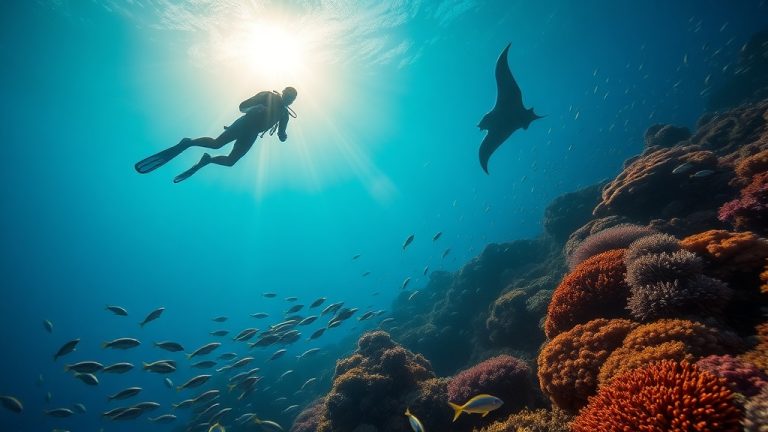
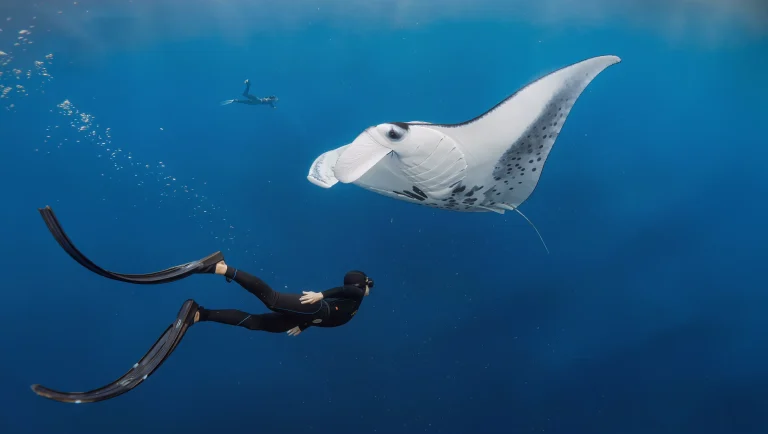
- Manta activity builds. The plankton that rides in with the season is exactly what the mantas come for; the December-to-February window is one of the strongest of the year at the cleaning stations. Our manta season guide covers timing and sites in detail.
- South Komodo opens. The southern anchorages, battered by the dry season’s trade winds, calm down when the wind swings west — which is why routes like the 4-day 3-night charter unlock the south side precisely between October and April.
- The park empties out. Outside the Christmas–New Year fortnight, December anchorages are as quiet as Komodo gets. Padar at dawn with three boats in the bay instead of twenty is not a small upgrade.
- Boats are available. Vessels that need six months of lead time in August can often be confirmed within weeks in early December.

What can genuinely go wrong
Two things deserve straight talk.
The harbormaster can close the port. When weather warnings are in force, the harbormaster withholds sailing clearance and licensed boats do not leave — the system that keeps rainy-season sailing safe is also the system that can cost you a departure day. Multi-day closures cluster in January and February rather than December, but they are never impossible. Know the rebooking terms before you pay; our weather cancellation guide explains exactly how the sequence works and what a fair policy owes you.
The wrong boat makes a normal squall miserable. A covered saloon, a stable hull and a captain with monsoon patience turn December rain into atmosphere. A thin-margin open boat turns it into an ordeal. This is the season where vessel choice matters most — bigger hulls, engine redundancy and experienced crews earn their rates in exactly these months. Browse the fleet directory with that filter in mind, or tell the desk you are sailing in the monsoon and we will shortlist accordingly.
A December charter day, honestly described
Here is the realistic rhythm, because “squalls and reroutes” is abstract until you see where they land in a day:
- 05:30–09:00 — the golden window. Mornings in the early monsoon are frequently glassy; this is when captains run the exposed legs and when Padar gets climbed.
- 09:00–13:00 — full program. Dragon walks, Pink Beach, the sandbar; cloud cover that would disappoint a beach holiday is a gift on a savannah trail.
- 13:00–16:00 — the watching hours. If a squall is coming, it usually announces itself here; the boat repositions to sheltered water and the afternoon snorkel happens in the lee.
- 16:00 onward — anchored, often under a washed, spectacular sky. December sunsets after rain beat August sunsets without it, and there is no argument at the desk about this.
Pack for that rhythm: a light rain shell earns its space, everything in the day bag should tolerate spray, and quick-dry fabric stops being a preference and becomes policy. The full kit is in our charter-tested packing list.
Month by month through the wet
- November: the turn. Mostly gentle, occasionally unsettled; a strong quiet-season pick.
- December: the compromise month. Squalls and reroutes, offset by green hills, mantas and space. Good, with eyes open.
- January–February: the core. Trips run, but on the weather’s terms — the months to avoid if a fixed itinerary matters to you, and the months when port closures are most likely.
- March: the easing. Conditions soften week by week toward the April calm.
Worth knowing if your dates are flexible across the new year: our sister desk Luxury Raja Ampat runs the opposite calendar — Raja Ampat’s prime season is October through April, so the months that test Komodo are precisely the months that flatter Indonesia’s other great marine park.
Booking a December trip: three notes from the desk
- Read the weather terms first. In the monsoon months the cancellation clause is not fine print, it is the product. Rebooking-first policies with protected deposits are the standard worth insisting on.
- Keep one flexible day in the plan. Groups with a buffer day sail through December disruptions almost without noticing them; groups booked wall-to-wall feel every delayed clearance.
- Mind the holiday fortnight. Christmas through New Year is the one stretch of December that books like August — vessels and park slots both. Early December, by contrast, is one of the quietest premium windows of the year.
Rainy season questions, answered short
Is it safe to travel by boat during rainy season?
Yes, on the right vessel with the right captain — the clearance system exists to keep boats in port when it is not. The risk is not the season; it is a boat that sails against the harbormaster’s call. Our safety guide covers how to tell the difference.
Does Komodo National Park close in the rainy season?
The park stays open year-round. Individual departures pause when weather warnings suspend sailing clearance, and trail access can close briefly after heavy rain — pauses measured in days, not seasons.
What months should I avoid for a Komodo boat trip?
January and February, if you can — they carry the roughest seas and the highest chance of weather delays. December and March are workable shoulders of the monsoon; April through October is the calm heart of the year.
Sailing in December and want a hull and captain built for the season? Message the fleet desk on WhatsApp — (+62) 811 3823 875 or email [email protected] and we will match you to the boats we trust in monsoon water.