3D2N Komodo Charter from Labuan Bajo — The Signature Loop
Plan your 3D2N Komodo boat trip from Labuan Bajo: day-by-day itinerary, per-night pricing ($6,000–$60,000 whole boat), season notes & concierge planning.
14 min read
A 3D2N Komodo boat trip from Labuan Bajo — three days, two nights, aboard a private phinisi, yacht, or liveaboard charter — is the shortest itinerary that fits the complete Komodo postcard in a single sailing loop. Two nights at anchor inside Komodo National Park unlock both dragon islands (Rinca and Komodo), the Padar sunrise ridge, Pink Beach, the Kalong bat colony, and the manta cleaning station at Karang Makassar, all without doubling back or cutting anything short. It is the first-timer’s default, the honeymoon sweet spot, and the family route that actually works — and it runs year-round from Labuan Bajo.
What the 3-Day Loop Actually Includes
Most 2-day 1-night charters out of Labuan Bajo force a choice: Rinca or Komodo Island dragons, Padar or Pink Beach. The third day changes that arithmetic entirely. With two nights at sea, you reach the northern anchorage at Gili Lawa Darat in time for the sunset ridge hike — a vantage point that does not appear on the shorter loop at all — while still spending the final morning at the manta cleaning station before the run home.
That is the core logic of what we call the Signature Loop: a clockwise circuit out of Labuan Bajo that threads every highlight of Komodo National Park without repetition, with each activity assigned to its best time of day. Pre-dawn for Padar. Mid-morning for Komodo dragons (when reptiles are still moving). Slack tide for manta drifts. Dusk for bats.
Day-by-Day Itinerary: The Signature Loop
Day 1 — Kelor, the House Reef, Dragons at Rinca, Bats at Kalong
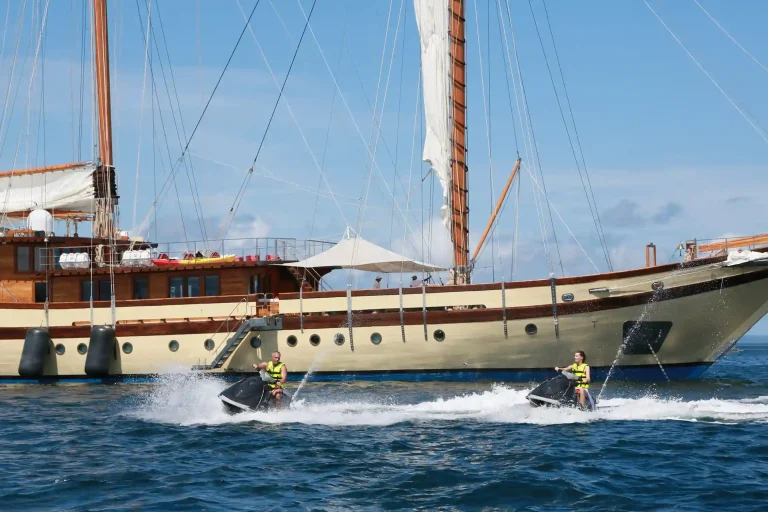
Departure from Labuan Bajo harbor between 08:00 and 09:00. The first 45 to 90 minutes of sailing already tells you which vessel class you chose: a mid-range phinisi leans into the swell at 8 knots while the crew sets breakfast; a luxury liveaboard glides on twin diesels in near-silence.
First stop: Kelor Island. The hill trek takes about 20 minutes up and rewards with a view that previews the day’s route — limestone ridges, turquoise channels, the distant cone of Padar already visible to the south. Below the hill, the house reef off Kelor’s eastern beach is consistently one of the cleaner snorkel sites near Labuan Bajo: coral tables, small reef sharks cruising the drop, the occasional sea turtle if you hang near the bottom of the slope.
After Kelor, many itineraries swap in a second snorkel at Manjarite or Sebayur — productive house-reef dives with good fish density and reliable water clarity even in the wet season. If you want both dragon islands on the loop (and most first-timers do), this is the day to visit Rinca Island, Loh Buaya: a ranger-guided dragon walk of 45–60 minutes that puts you in genuine proximity to Varanus komodoensis, the largest living lizard, while Komodo Island and its longer, cooler trails wait for Day 2. The sail from Kelor to Rinca takes roughly 1.5 to 2.5 hours depending on vessel.
The afternoon leg repositions north-east to Kalong Island, arriving in the hour before dusk. At sunset — the timing shifts week by week with the light — between 500,000 and several million flying foxes lift from the mangroves in a single, continuous cloud and stream eastward over the water. It is genuinely silent on deck until the first wave of bats passes overhead, and then the whole crew goes quiet too. Dinner at anchor; the bay at Kalong is calm most of the year and makes for a settled first night.
Day 2 — Padar Sunrise, Pink Beach, Komodo Dragons, Gili Lawa Sunset
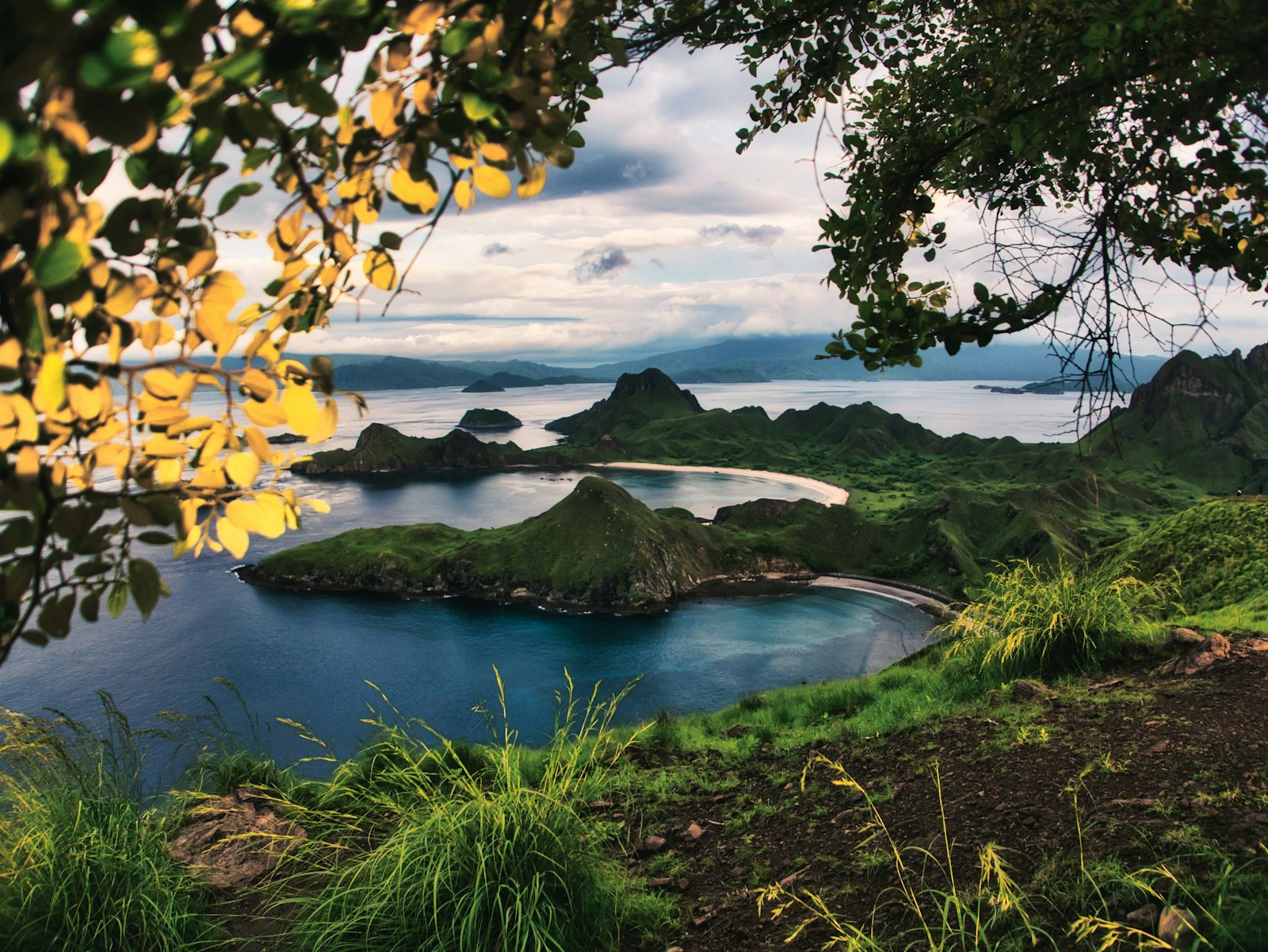
The pre-dawn alarm is non-negotiable on this itinerary. The boat moves from Kalong to Padar’s north bay — roughly 1.5 to 2 hours of night sailing — in time to put guests on the ridge trail before the sun clears the horizon. The Padar trek takes 45 to 60 minutes at a moderate pace to the main viewpoint; the summit delivers the shot that appears on every Komodo travel piece: three bays, three colours — black sand, white sand, and the pink-tinged coral-sand beach curving to the south. No photograph does the scale justice. From the ridge you can see the entire circuit you are sailing.
Back aboard for breakfast, then 30 minutes east to Pink Beach (Pantai Merah). The pink coloration comes from fragments of red coral mixed into the sand — it intensifies in direct morning light and fades toward midday, so timing matters. Snorkelling off the beach is among the most accessible in the park: shallow, sheltered, and consistently populated with turtles, reef fish, and hard coral in good condition.
Early afternoon: Komodo Island, Loh Liang. The ranger trail here is longer and quieter than Rinca — dragons more widely spaced, the forest drier, the walk itself more varied. Booking through the SiORA system is mandatory (walk-in tickets were discontinued; advance booking is now required, with a reported 1,000-visitor daily cap — verify at booking, last verified June 2026). Ranger fee: approximately IDR 200,000 per group of up to five guests; park entrance approximately IDR 250,000 per foreign visitor per day, though these figures are travel-site consensus rather than official decree and should be confirmed at booking.
With the dragon trek done, the boat heads north — 1.5 to 2 hours — to Gili Lawa Darat. The anchorage in the bay there is the reason this duration step up from two nights to three makes such a difference: you arrive in time to hike the sunset ridge before dark. The ridge above the bay is a 20-minute walk, unmarked but obvious; at the top you watch the park’s central channels turn orange and then mauve as the light goes flat. Dinner at anchor in the bay. Nights here are generally breezier than Kalong — a positive in July and August, when the south-east trade winds keep the air cool and the stars clear.
Day 3 — Mantas at Karang Makassar, the Taka Makassar Sandbar, Final Snorkel, Home
Morning departure from Gili Lawa Darat at slack tide. Karang Makassar — known on most charts as Manta Point — is a shallow cleaning station where reef mantas and oceanic mantas come to be cleaned by wrasse. The protocol is to drift, not swim aggressively toward them; a good guide reads the current and positions the group once the mantas are already working the station. Mantas are present at Karang Makassar year-round; December through March brings higher plankton density and correspondingly better odds of multiple animals, though there are no guarantees at any point in the calendar.
Note that this is a different site from Manta Alley in south Komodo, which is a wet-season-peak location and not accessible on this itinerary length. Design your charter if you specifically want Manta Alley — it first becomes honest to include at four nights or longer.
After the manta drift, a short sail to Taka Makassar: a white sandbar that appears and disappears with the tide. Timing is genuinely tide-dependent; the crew will know in advance whether the bar will be above water on your morning. When it is, you anchor close and swim ashore — the bar sits maybe 40 centimetres above sea level at its peak and offers the most absurd swim-up-champagne opportunity in the park. When the bar is submerged, the surrounding shallows still make for an excellent final snorkel.
The afternoon runs a last snorkel stop — Tatawa Besar for coral density, or Kanawa Island closer to Labuan Bajo for a gentler final swim — before the 3 to 4 hour run home. Alongside in Labuan Bajo harbor between 16:00 and 17:00.
Budget and Per-Night Charter Math
Private charters are priced per boat, not per person. Two nights means two charged nights. The range is wide because vessel class determines almost everything: crew count, cabin finish, engine power, the quality of the galley, whether there are SUPs and kayaks on the swim platform.
| Vessel Class | Implied Per Night | 2-Night Total | Typical Cabins | Crew |
|---|---|---|---|---|
| Budget wooden / semi-phinisi | ~$1,200–2,500 | ~$2,400–5,000 | 2–4 | 3–6 |
| Mid-range phinisi | ~$2,500–8,000 | ~$5,000–16,000 | 3–6 | 6–10 |
| Luxury phinisi / motor yacht | ~$8,000–30,000 | ~$16,000–60,000 | 5–9 | 10–21+ |
A worked example: a well-appointed mid-range phinisi with four ensuite cabins at $4,000 per night implied = $8,000 for the two-night whole-boat charter, before park fees. Park entrance for two foreign visitors runs approximately IDR 250,000 per person per day — roughly $15–16 per person per day at current exchange rates, last verified June 2026; verify at booking as official rates are subject to change. Park fees, fuel for a standard Labuan Bajo–Komodo loop, and three full-board meals per day are typically included in mid-range and luxury rates; always confirm the all-in scope at quoting stage.
The market quotes per trip rather than per clean nightly rate, so all per-night figures above are implied from package pricing. Shorter charters (two nights or fewer) typically cost more per night than longer bookings on the same vessel. Peak season surcharges apply in July–August and over Christmas and New Year.
If no one you book with can pay us to change what we publish — and they cannot — some operators may pay our concierge team a referral fee at no extra cost to you if you proceed with a vessel through our recommendation. That is how planning services work; we flag it because most sites pretend otherwise.
Who This Duration Suits
Honeymooners
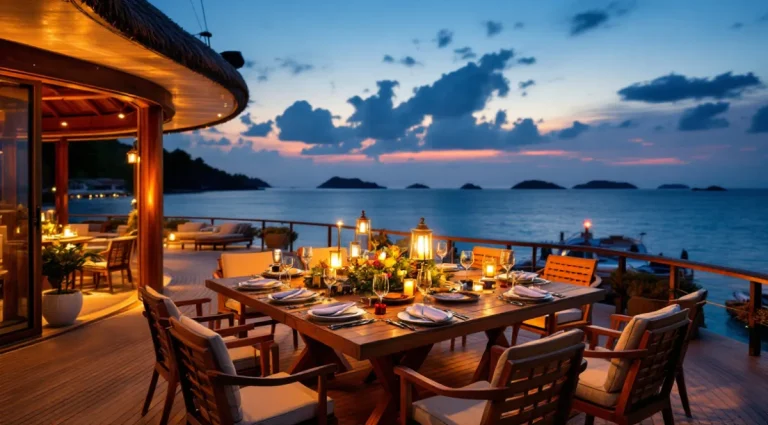
Three days and two nights is the 3D2N honeymoon phinisi sweet spot for couples who want the full Komodo experience without the commitment of a five- or seven-night charter. A mid-range phinisi with a master cabin — king bed, ensuite, private deck access — costs roughly $5,000–16,000 for the two-night whole boat for two people. The crew can arrange a beach dinner at Pink Beach or a candlelit deck setup at Gili Lawa; flowers, a cake, and sundowner Champagne are standard add-ons on any vessel above the budget tier. The key thing to specify: ensuite bathrooms in every cabin and individual air conditioning. Not all phinisi below the mid-range bracket offer both.
First-Time Visitors
If you have not been to Komodo National Park before, this komodo 3d2n private boat tour is the itinerary that makes sense to start with. It covers every site that defines the destination — dragons, Padar, Pink Beach, mantas, bats — in a logical sequence without rushing any of them. Nothing is seen twice; nothing important is skipped. If you finish it and want more, the 4D3N loop adds the south Komodo circuit (October–April only) without requiring you to re-visit what you have already done.
Families with Children 6 and Up
The Signature Loop is family-friendly if children are around six years old or older. Younger children on active charter trips tend to find the ranger treks at Rinca and Komodo demanding; the currents at Karang Makassar require confident swimmers. For families with a mix of ages, the Kelor snorkel and the Pink Beach swim are the lowest-effort highlights — both accessible from the swim platform with basic kit. A mid-range phinisi with a family cabin sleeping four, plus a separate cabin for parents, covers a group of six comfortably. Note that Komodo National Park’s currents are strong in places; discuss your children’s swimming confidence with the operator when choosing anchorage sites for free time.
Time-Constrained Travelers
If your Indonesia trip gives you three days in Labuan Bajo between flights, this labuan bajo 3 days 2 nights private cruise is the most efficient use of that window. You board Day 1 morning and return Day 3 afternoon, which fits cleanly around an evening arrival and an early departure on Day 4. Nothing about it requires prior sailing experience, dive certification, or particular fitness — the Padar trek is the most demanding physical element, and it is entirely optional if someone in your party finds it hard.
Season Notes for the 3D2N Route
This itinerary runs year-round because it uses the central and northern park — the zone that carries the May–October dry season and remains workable through the wet months. That said, the experience shifts by season:
- December–March (wet season)
- Best manta odds at Karang Makassar — plankton density peaks and large aggregations are more common. Rain arrives in afternoon squalls rather than all-day patterns, and mornings are typically clear enough for Padar. Seas can be rough in January and February, particularly on the longer overnight legs; operators may modify anchorages. The harbor authority in Labuan Bajo does suspend sailing permits during verified extreme-weather warnings — build flexibility into your schedule during these months.
- April–June (shoulder, transitional)
- Calm, warm, and increasingly dry. Good visibility. Crowds lower than peak. Mantas still reliable at Karang Makassar.
- July–August (peak dry season)
- South-east trade winds make Gili Lawa nights cooler and breezier — pleasant on deck if you have a jacket, less comfortable in an unventilated budget cabin. Padar and the manta point are calmer than the south-coast sites that appear on longer itineraries. Expect more boats at anchor at popular spots; Loh Liang in particular can be busy mid-morning. The dragons remain active early in the day.
- September–November (late dry / second shoulder)
- The trade winds ease. Seas settle. A good window for the loop with reliable manta chances building toward the wet-season peak. One of the quieter periods for crowds.
Weather is not guaranteed at any point in the year. Vessel captains make go/no-go calls on individual anchorages the morning of, and itineraries should always be held loosely enough to absorb a re-route. That flexibility is a feature, not a limitation — the boat can move when a resort cannot.
Ready to configure your dates and vessel class? Use our charter brief form or reach the Indonesia Juara concierge team directly on WhatsApp — they handle the SiORA park bookings, ranger arrangements, and operator shortlisting on your behalf. Indonesia Juara is our sister brand within Juara Holding Group; we disclose that relationship because you should know who you are dealing with.
Frequently Asked Questions
How much does a 3D2N Komodo boat trip from Labuan Bajo cost?
The whole-boat rate implies roughly $1,200–30,000 per night depending on vessel class — meaning a two-night charter runs from around $2,400 for a basic wooden boat to $60,000 for a flagship luxury phinisi or motor yacht, before park entrance fees (approximately IDR 250,000 per foreign visitor per day, last verified June 2026). A solid mid-range phinisi with four ensuite cabins typically falls in the $4,000–8,000-per-night bracket, making a 3D2N whole-boat total of $8,000–16,000 a realistic planning anchor. Prices are per boat, not per person, and peak-season surcharges apply in July–August and over Christmas–New Year.
Can I see both Rinca and Komodo dragons on a 3D2N itinerary?
Yes — this is one of the defining advantages of the three-day format over two-day trips. Day 1 visits Rinca (Loh Buaya), which is the closer island and a shorter ranger walk; Day 2 visits Komodo Island (Loh Liang), which has more varied terrain and typically longer trails. Both visits require a licensed ranger guide and advance SiORA booking. Rangers cost approximately IDR 200,000 per group of up to five guests; confirm current rates at booking.
Is the 3D2N charter suitable for a honeymoon?
It is the most popular honeymoon duration from Labuan Bajo into Komodo, precisely because it delivers the full experience without requiring a week or more aboard. For honeymoons, specify: a master cabin with a double bed (not twin), ensuite bathroom, and individual air conditioning; ask about beach-dinner and sunset-champagne add-ons when quoting. Mid-range phinisi operators in the $5,000–16,000 whole-boat bracket can arrange these without problem. Luxury phinisi classes carry more amenities as standard — deck Jacuzzis, private dining setups, photography services — but the entry-level honeymoon experience is achievable at mid-range too.
Are mantas guaranteed at Karang Makassar?
No — no responsible operator or planning service will guarantee wildlife. Manta rays are wild animals that follow food and current, not schedules. That said, Karang Makassar is a year-round cleaning station with a strong record: mantas are present across all seasons, with December–March bringing the highest plankton density and the best-reported aggregation odds. Your best lever is timing the visit to slack tide, which the crew manages automatically. If you specifically want to maximize manta encounters, December through March is the season to book.
What is the physical fitness level required for this itinerary?
Moderate. The Padar sunrise trek is the most demanding element: 45–60 minutes up a rocky, unshaded trail, carrying water, starting before dawn. It is not technical hiking but it is not a flat walk either. The ranger treks at Rinca and Komodo are 45–60-minute walks on uneven ground with a guide; the dragons are large and unpredictable and the guide is there to manage that. Everything else — snorkelling, the Gili Lawa sunset walk, the Kalong bat watch — is accessible to any moderately active adult. Guests with mobility concerns should flag them at booking; captains can often adjust approach logistics (tender positioning, boarding arrangements) to accommodate.