Manta Point Komodo — Karang Makassar Snorkeling by Charter
Manta Point Komodo guide: snorkeling Karang Makassar by charter, boat times from Labuan Bajo, manta season, drift technique, fees and dive-ready boats.
7 min read
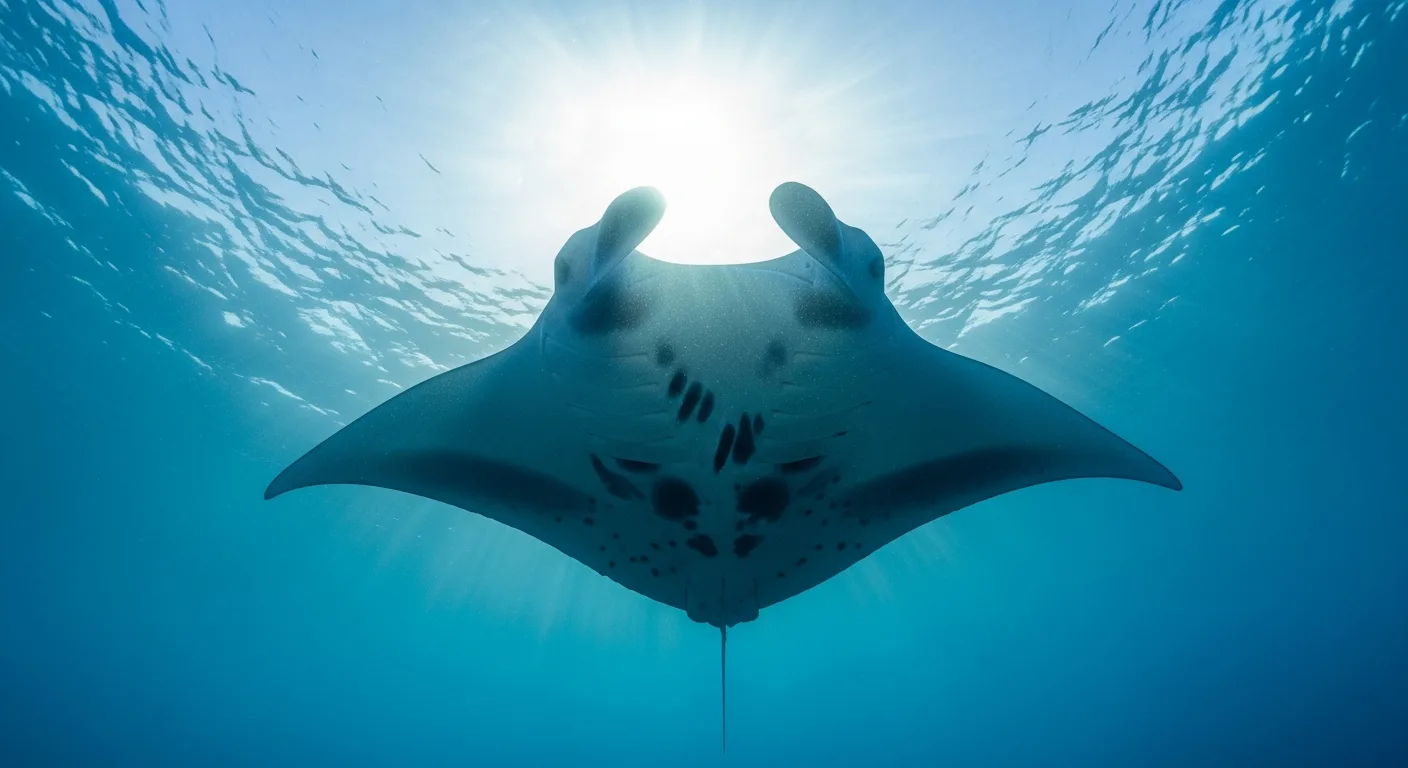
Karang Makassar, better known as Manta Point, is a 1.5-kilometre drift over shallow rubble flats where reef mantas gather at cleaning stations. It lies about 35 to 40 kilometres from Labuan Bajo: 1 to 1.5 hours by speedboat, around 3 by phinisi. Sightings happen year-round and peak December to March.
No stop in Komodo National Park depends more on how your boat is handled. Mantas move along the reef with the current, so a manta point komodo snorkeling tour is really an exercise in positioning: reading the tide, dropping snorkelers up-current, and following the drift. This page covers the site, the technique and the hulls from our graded fleet that do it properly.
How to get to Manta Point by boat from Labuan Bajo
Karang Makassar sits in the channel east of Komodo Island, close to the Taka Makassar sandbar. Practical timings from the harbor:
- Private speedboat: 1 to 1.5 hours, which is why day circuits can give the site a proper hour instead of a token pass.
- Phinisi: around 3 hours under engine; overnight boats anchor nearby and take the site at morning slack tide, the calmest window.
- Pairings: Taka Makassar is roughly ten minutes away, and Pink Beach under an hour, so Manta Point rarely travels alone on an itinerary.
Currents through this channel are the engine of the whole ecosystem, feeding the plankton that feeds the mantas, and they demand a crew that knows the drift lines. Crossing context for the whole park: routes and times from Labuan Bajo.
What you do at Karang Makassar
The routine on a well-run visit: the captain idles along the reef reading for wing-tips and shadows, the guide calls the drop, and you slip in up-current with mask and fins while the tender shadows the group. The flats run shallow, mostly 5 to 15 metres, so from the surface you watch mantas hold station at coral heads where cleaner wrasse work them over, sometimes stacked in queues, sometimes barrel-feeding when plankton blooms. Drifts of 20 to 40 minutes repeat as often as conditions and energy allow.
The etiquette is non-negotiable and your guide will brief it: keep three metres from the animals, never swim at them or over the top of a cleaning station, no touching, no chasing, no flash. Mantas that are not harassed stay longer, which serves everyone. Divers get a different geometry, kneeling low on the rubble while animals pass overhead; several boats below carry full dive kit for exactly this.
Nearby Siaba Bay offers a gentler snorkel with turtles when Manta Point runs strong, a standard plan-B your crew will suggest rather than forcing a rough drift.
Which boat class suits Manta Point
Dive liveaboard, for repeat passes. Tatawa, a 21-metre dive boat with a Bauer compressor, twelve tanks and a RIB tender, runs Karang Makassar as core programme; nine dives across a 3D2N gives the site multiple shots at peak tide.
Deluxe phinisi with dive option, for mixed groups. Lalunia sails leisure loops that log Manta Point and adds guided dives with gear and divemaster for those who want depth while the rest of the group snorkels the same drift.
Day speedboat, for the single-day version. Sea Escape, a 21-knot VIP shared boat, includes the site on her seven-destination day. Format guidance lives on the Komodo snorkeling charter page, and dedicated dive planning on Komodo diving charter.
Fleet grading and crew vetting for every hull above is run by Komodo Luxury, the operator behind this directory.
Best time for mantas
Sightings are recorded in every month. Aggregations peak in the plankton-rich season from roughly December to March, when the channel can hold trains of ten or more animals; the trade-off is livelier weather elsewhere in the park. April to June is the sweet spot of good odds and calm seas. Within any day, slack tide gives the cleanest water and the easiest drift. The full seasonal argument, including Manta Alley in the park’s south, is in our manta season guide.
Park fees, briefly
Karang Makassar sits inside Komodo National Park, so marine-use and snorkeling levies join the base entrance on your per-day fee sheet, with diving charged at its own rate. Foreign visitors should budget roughly IDR 300,000 to 650,000 per person for a multi-activity day, more on Sundays and holidays; crews settle it en route. Details: park fees for charter guests.
Itineraries that include Manta Point
- Full-day circuits — most formats on the day trips hub pair the drift with Taka Makassar and Pink Beach.
- 3D2N charter — the signature loop, with Manta Point taken at morning slack tide.
- 4D3N charter — adds the south of the park in season, where Manta Alley extends the manta story.
Neighboring stops: the Taka Makassar sandbar ten minutes away, and Pink Beach across the channel.
Curator’s notes for the drift
Equipment quietly decides this stop. Proper fins matter more here than anywhere else in the park, because holding position near a cleaning station against even mild current is finning work; ask your crew for full-foot fins in your size the evening before, not at the drop. Defog your mask properly, since surfacing to rinse mid-drift usually means losing the animal. A thin rash guard or wetsuit top earns its keep when thermoclines slide cold water across the flats.
Two behavioral rules cover most mistakes. First, do not free-dive down onto a cleaning station; it ends the encounter for the whole group. Hold the surface, stay calm, and mantas will often bank in for a closer look on their own terms. Second, know your recall signal. The tender follows every drift and the crew will whistle when the group spreads too wide; respond promptly and the next drift starts sooner. Plan for at least two passes, keep camera arms short and slow, and if the channel is running hard, take the Siaba Bay alternative without sulking; the mantas will still be here tomorrow morning at slack. That patience is precisely what overnight charters are buying.
Frequently asked questions
What is the best time to see manta rays in Komodo?
Reef mantas visit Karang Makassar year-round, but aggregation peaks through the plankton-rich months from roughly December to March, when trains of ten or more animals are recorded. April to June combines good sighting odds with calmer seas. Morning slack tides generally give the cleanest drifts.
Are manta sightings at Manta Point guaranteed?
No honest operator guarantees wildlife. What tilts the odds: visiting the full 1.5-kilometre reef rather than one buoy, timing slack tide, and a captain who reads shadows from the flybridge. Across our logged trips most visits produce sightings, and multi-day charters can simply return the next morning.
Can beginners snorkel at Manta Point Komodo?
Yes, with a proper briefing. The site is a drift: the boat drops you up-current and follows as you float over the rubble flats. Confident swimmers manage easily; nervous snorkelers take a guide, a flotation vest and a shorter line. Charters choose calmer windows for first-timers.
Is Manta Point better for snorkeling or diving?
Both work because the site is shallow, mostly 5 to 15 metres. Snorkelers watch mantas at cleaning stations from the surface; divers hold position low and let the animals pass overhead. Dive-ready boats in our fleet carry tanks and divemasters so mixed groups can do both on one visit.
Drift Karang Makassar with a crew that reads it
Send your dates and whether you snorkel, dive or both, and the curation desk will shortlist three boats matched to the manta drift, with honest price-from figures.
WhatsApp (+62) 811 3823 875 for a Manta Point shortlist · or email [email protected] with your dates and group size.