9D8N Komodo Charter — Grand Tour + Your Flex Day
9-day custom itinerary Komodo private boat: Grand Tour + flex day for groups, weddings & reunions. Day-by-day plan, $24k–$240k, season notes.
21 min read
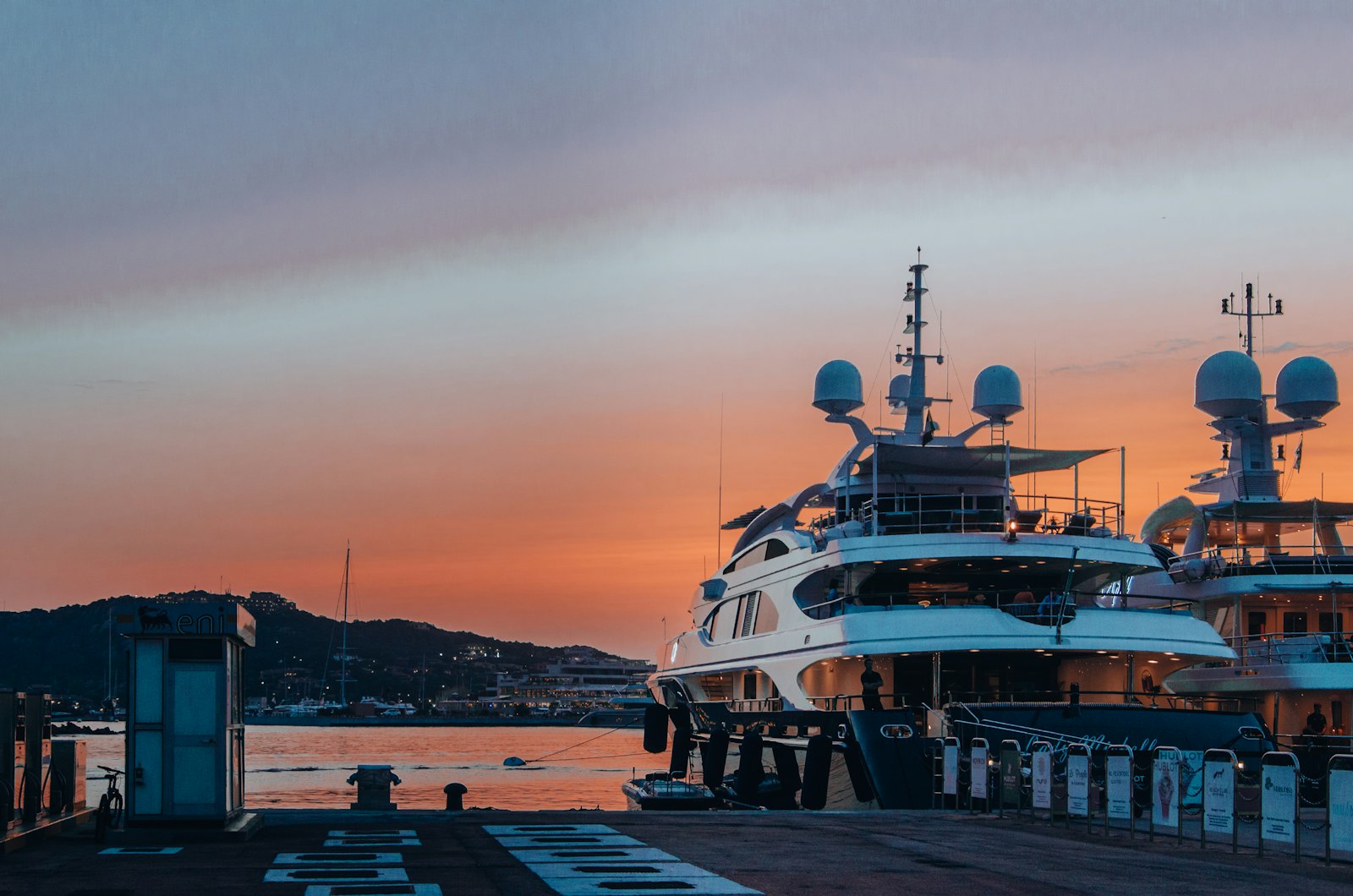
A custom itinerary Komodo private boat reaches its fullest expression at nine days and eight nights. This is the Grand Tour — every headline site from Labuan Bajo into Komodo National Park, including the south coast loop, the Gili Banta frontier, and an overnight at Sangeang volcano on Sumbawa’s coast — plus one deliberately unscheduled day that belongs entirely to your group. You call it the night before. Nobody else gets a vote.
That unstructured day is the single biggest comfort upgrade on the whole charter ladder. Not a second visit to a place because logistics forced you back. A genuine choice: another full day at Sangeang for the divers who want it, a run west to Wera Bay on the Sumbawa coast for the travellers who want a boat-building-village culture stop, or a dawn-to-dusk four-dive marathon for the group that has been counting dives. It also functions as weather insurance — the open-water crossings on this route are serious sailing in January and February, and a flex day absorbs a squall delay without compressing everything that follows. Eight nights at USD 3,000–30,000 per night (last verified June 2026) is a wide range; more on what each tier actually buys below.
Who This Duration Is For
The 9-day, 8-night charter is built for groups and celebrations. Not always — serious divers who want 28+ dives across every Komodo biotope without rushing will love it too. But this is the duration where the vessel class shift matters most: the 8-cabin yacht Komodo category, built for 14–18 guests, only makes economic sense on charters long enough to justify the per-night cost across a full cabin complement. Eight nights is that number.
For a family reunion yacht charter Komodo, the logic is simple. Families travel in messy headcounts — three generations, a mix of strong swimmers and tentative snorkellers, at least one person who needs a slow morning. The Grand Tour spine packs enough variety to keep the divers and the non-divers occupied simultaneously, and the flex day was practically invented for the moment when two teenage cousins announce they want to do that again and the grandparents want a beach day. An 8-cabin phinisi for groups accommodates that without anyone feeling squeezed.
For a wedding charter boat Labuan Bajo or a Komodo wedding ceremony on yacht, eight nights gives your planner time to build the actual wedding into the schedule without it consuming the whole trip. Day four at anchor in Horseshoe Bay, with the limestone karst behind you and no other boat in sight — or Day seven off Sangeang with the volcano smoking above the canopy — are backdrops no land venue can replicate. The Indonesia Juara concierge team handles the coordination; the charter gives you the venue.
A birthday party yacht Labuan Bajo milestone charter follows the same logic. The flex day becomes the celebration day, and the week either side of it is the reward. Group sizes of 12–18 on an 8-cabin liveaboard charter from Labuan Bajo spread the cost to a level that competes with premium resort packages, but delivers something resorts categorically cannot.
What this duration does not suit: solo travellers or couples with tight budgets. The economics of an 8-cabin boat only work when you have the headcount to fill it, or the budget to carry it regardless. Couples wanting a tailored week should look at the 7-day itinerary; families of four to six at the 5-day or 6-day versions.
Day-by-Day: 9D8N Grand Tour + Flex Day Itinerary
Day 1 — Departure from Labuan Bajo: Kelor Island and Rinca Dragons
Depart Labuan Bajo at 08:00–09:00. The first leg to Kelor Island is 45 to 90 minutes, which is long enough to settle, sort gear, and eat breakfast before arriving. The hill trek is 20 minutes to the top; the view across the Flores Sea is the first confirmation that the itinerary ahead is worth every logistic. Snorkel the house reef below while the slower members of the group finish their coffee. After Kelor, the boat moves southeast to Rinca’s Loh Buaya for the ranger-guided Komodo dragon walk. Rinca is closer to Labuan Bajo than Komodo Island, the trails are less crowded in the afternoon, and the dragons are reliably present near the ranger station. Evening: anchor near Kalong Island and watch the flying fox colony stream out at dusk. For groups, this is the moment people stop looking at their phones.
Day 2 — Padar Sunrise and the Seasonal Route Choice
Pre-dawn sail from Kalong toward Padar (1.5–2 hours). The sunrise trek up Padar takes 45–60 minutes and delivers the three-bay panorama that has become Komodo’s most-photographed image — worth every early alarm. After descending, the week divides by season. October to April: the afternoon swell on Komodo’s south coast is manageable, and the route swings south to Horseshoe Bay (Loh Dasami). Cannibal Rock is one of the great coral walls in Southeast Asia. Wild dragons appear on the beach at dusk without fanfare and without a tour group. Anchor Horseshoe Bay. May to September: Pink Beach and Manta Point replace the south swing — excellent for snorkellers and less exposed to the SE trades. Anchor near Pink Beach or Siaba Besar.
Day 3 — South Loop or North Pivot (Season-Dependent)
October to April version: Dawn at Horseshoe Bay. The Yellow Wall is a predawn dive before the light changes the colour of the water. A three-hour crossing west takes you to Manta Alley (Torpedo Bay) — south Komodo’s answer to Karang Makassar, and in the wet season, arguably its superior. Multiple manta passes in the channel, with potential for oceanic mantas on the right current. Anchor at Loh Sera (south Komodo) overnight.
May to September version: Pink Beach in the morning before the day-trip boats arrive, then the ranger-guided dragon trek at Komodo Island’s Loh Liang in the cooler part of the afternoon. Head north toward Gili Lawa; anchor at Loh Liang or push to Siaba depending on your captain’s read on the swell.
Day 4 — North Transfer: Komodo Dragons and Gili Lawa
October to April version: Last south dive at first light. Then the 3–4 hour sail north, past Pink Beach. Stop at Loh Liang for the Komodo Island dragon trek — the trails here are longer and more varied than Rinca’s, and the Komodo dragon is a different animal when you see it in proper forest rather than near the ranger station. Continue north to Gili Lawa: Castle Rock and Crystal Rock for the divers, the Gili Lawa Laut lagoon for snorkellers, and the ridge hike on Gili Lawa Darat for the sunset. Anchor in the bay. This is the best anchorage in the central park — sheltered, scenic, empty after 17:00.
May to September version: Komodo Loh Liang dragon trek in the morning; north to Gili Lawa in the afternoon. Same ridge hike and anchorage.
Day 5 — Gili Lawa Sites and the Cross to Gili Banta
Morning at Gili Lawa: Castle Rock or Crystal Rock for the first dive of the day, or the Gili Lawa Laut lagoon for a gentler snorkel while the divers are below. These are current-fed pinnacles — big-fish country, schooling barracuda, Napoleon wrasse, the occasional hammerhead on the right current. After lunch, a 1.5–2.5 hour crossing northeast to Gili Banta. The island sits just outside the park boundary and sees almost no day-trip traffic. The K2 Wall and GPS Point are advanced dive sites — strong current, deep walls, large pelagics — and the dive guide makes the go/no-go call on conditions. Even if the main sites are too exposed, Banta’s sheltered bay offers a quiet anchorage that feels genuinely remote for a site this close to Labuan Bajo. Anchor overnight. You will likely be the only boat.
Day 6 — The Sangeang Crossing and Volcano Arrival
The crossing from Gili Banta to Sangeang Api takes 3–4.5 hours across open Flores Sea and Sape Strait water. The volcano appears on the horizon about an hour out — a perfect grey-white cone with a smoke or steam plume at the summit, depending on the day’s activity. Always check current PVMBG advisories before departure (last verified June 2026) — Sangeang is active, the island has permanent residents at Bontoh village, and operators will redirect if the alert level is elevated. Afternoon dives at Bubble Reef (volcanic gas seeps rising through black sand, warm patches, improbable fish aggregations) and Hot Rocks. The first look at Sangeang’s underwater world — dark substrate, faint heat from below, coral growing on volcanic boulders — is genuinely unlike anything else in the Komodo region. Anchor off Bontoh village overnight.
Day 7 — Sangeang Full Day: Black Sand, Critters, Village
The best day for underwater photographers and macro divers on the whole trip. Deep Purple and Techno Reef are black-sand muck sites: nudibranchs you have probably not catalogued before, frogfish in volcanic crevices, ghost pipefish on hydroids, rare shrimp that the dark substrate makes unusually easy to spot. Two or three dives, surface intervals on deck with the smoking cone above you. Between sessions, a walk to Bontoh village — a Bugis community living at the base of an active volcano, with traditional wooden boats on the black-sand beach and a daily life that has adapted to proximity to something most people would find alarming. The afternoon drone shot of the cone from the water is the image most guests use for the year.
Day 8 — Your Flex Day
The night before Day 8, you call it. Three options, all genuinely different:
Option A — Second full Sangeang day. Repeat the best site from yesterday, or try the one you skipped. Bontoh village in the morning when the light is right, drone-the-volcano in the late afternoon, second anchorage night at Sangeang. For divers, this is the obvious call. Macro sites reward repeat visits — you find things you missed the first time, and the novelty of the underwater environment has not worn off in 24 hours.
Option B — Wera Bay culture stop. Push west along the Sumbawa coast to Wera Bay, near Bima, where traditional boat-building communities still work with hand tools on phinisi and fishing vessels. A tender landing and a few hours ashore — this is working Indonesian maritime culture, not a curated experience. For families and celebration groups with mixed interests, the morning contrast of a village where boats are built by hand against the previous evening’s volcano is exactly the kind of moment that earns the word expedition. Anchor Wera Bay or reposition toward Banta overnight.
Option C — Four-dive day. For dive-focused groups who want to maximise bottom time: dawn, morning, afternoon, and last-light dives at Sangeang or Banta. Twenty-eight dives across the nine days is achievable with this option. No hikes, no village stops, full focus on the water. Anchor wherever the dive guide recommends for current and conditions.
The flex day is also your weather contingency. If a squall delayed Day 6 and you arrived at Sangeang a half-day late, Day 8 absorbs that without compressing the final run home. January and February charters should plan for this — not as a worst case, but as a likely use.
Day 9 — Karang Makassar, Taka Makassar, Return to Labuan Bajo
Reposition from Sangeang or Wera toward the central park — either an overnight steam or an early morning departure, depending on where Day 8 anchored. Final morning at Karang Makassar (Manta Point) at or near the tide change: manta rays are present at this cleaning and feeding station year-round, with hit-rates highest in the December to March plankton bloom. Drift snorkel or dive the channel; the cleaning station is reliable enough that most charters save it for last on purpose, as a guaranteed high note. Afterwards, the Taka Makassar sandbar — a tide-dependent white strip of sand in the middle of the channel — for a final swim in shallow impossible-blue water. Last snorkel stop at Sebayur or Kanawa on the approach to Labuan Bajo. Alongside by 16:00–17:00.
Per-Night Budget: Eight Nights, What Each Tier Buys
Charter boats in this market price by the trip, not cleanly per night, but per-night thinking is the clearest way to compare vessel classes and understand what shifts as you move up the ladder. All figures are implied per-night rates, last verified June 2026; actual quotes vary by vessel, season, group size, and what is bundled.
| Vessel Class | Typical Cabins | Implied Per Night | 8-Night Example Total | Typical Crew |
|---|---|---|---|---|
| Mid-range phinisi | 4–6 cabins | ~$3,000–5,000/night | ~$24,000–40,000 | 6–10 |
| Upper-mid / boutique liveaboard | 5–7 cabins | ~$5,000–10,000/night | ~$40,000–80,000 | 8–14 |
| Luxury phinisi / 8-cabin class | 7–9 cabins | ~$10,000–18,000/night | ~$80,000–144,000 | 14–21 |
| Flagship / top-tier (price on application) | 8–9 cabins | ~$18,000–30,000/night | ~$144,000–240,000 | 18–21+ |
Worked example: An 8-cabin luxury phinisi at $10,000 per night × 8 nights = $80,000 for the whole boat before park fees. A group of 14 guests splits that to roughly $5,700 per person for eight nights of private charter — crew meals and snorkel gear included, itinerary built around your group rather than a fixed operator schedule. Compare that to what fourteen people spend on eight nights at a premium Bali resort doing separate dive day-trips, and the arithmetic is less dramatic than the price tag first suggests.
What is typically included: three meals per day, filtered water, tea and coffee, full crew service, snorkel gear and life jackets. Alcohol is nearly always an extra charge. Park entrance fees (approximately IDR 250,000 per foreign visitor per day — verify at booking; last verified June 2026) and ranger fees are excluded on most mid-range boats and increasingly bundled on luxury vessels. Full scuba equipment, nitrox, and a dedicated dive guide are usually separate add-ons even when tanks and a compressor are aboard — confirm per quote before signing.
Fuel is generally included for the Labuan Bajo–Komodo standard loops; the Sangeang and Wera Bay legs add distance and charter agreements sometimes carry a fuel surcharge for extended routes. Clarify this when reviewing the charter contract.
Planning for a specific group? Design your charter with the Indonesia Juara concierge team. Share the headcount, cabin requirement, dates, and whether your group is dive-focused, celebration-focused, or both — they will return specific vessel options with per-night rates and cabin plans within 24 hours.
Why 8-Cabin Boats and Big-Group Charters
The 8-cabin phinisi Komodo class — vessels in the 45–65m range, 14–18 guests, 16–21 crew — exists precisely for charters at this length and this scale. At six days or fewer, the per-night rate for a flagship vessel rarely pencils out unless the group is genuinely wealthy or the boat is filling from multiple parties. At eight nights with a full cabin complement, the arithmetic softens. The 2:1 crew-to-guest ratio on top-tier vessels means someone is always available: a deckhand to help the nervous snorkeller with their fins, a chef who has already memorised the dietary notes from the briefing form, a captain who checks BMKG three times a day so you don’t have to think about it.
For a charter phinisi for 20 people Labuan Bajo, note that most verified luxury phinisi builders cap at 18 guests (the Prana class at 18 guests across 9 cabins is one of the largest confirmed configurations — last verified June 2026). A group of 20 typically needs two vessels, which opens different planning considerations: parallel itineraries that converge at key anchorages, or a lead boat and tender configuration. The concierge team has handled both formats.
A big group phinisi charter of 12–16 works cleanly on the 7–8 cabin liveaboard class. The key specification to verify: ensuite bathrooms per cabin, individual AC per cabin, and whether the master cabin carries a surcharge. On an eight-night charter in Komodo waters, those are practical necessities rather than upgrades.
Weddings, Reunions, and Milestone Charters
The wedding charter market out of Labuan Bajo is small but distinct. A Komodo wedding ceremony on yacht typically happens at anchor — Day 4 at Horseshoe Bay with the south Komodo limestone behind you, or the penultimate evening at Sangeang with the volcano as the backdrop, are the two anchorages guests remember most. The ceremony itself is usually a private blessing or symbolic ceremony rather than a civil registration (Indonesian civil marriage law is what it is, and your operator is not a registrar). Your decorator and officiant travel aboard; the concierge coordinates catering, flowers, and music with the vessel’s chef and crew in advance.
For family reunion yacht charter Komodo, the planning challenge is always the spread of ages and swimming abilities. The itinerary above has a natural mix: Kelor is gentle (short swim, short hike), the Padar trek is strenuous for anyone over 60 but skippable (the boat waits), Horseshoe Bay has both advanced dive sites and a beach landing that works for non-swimmers. The flex day on Day 8 is where you resolve the group’s internal negotiation: the divers want another Sangeang morning, the non-divers want to anchor in a calm bay and swim. Both are available.
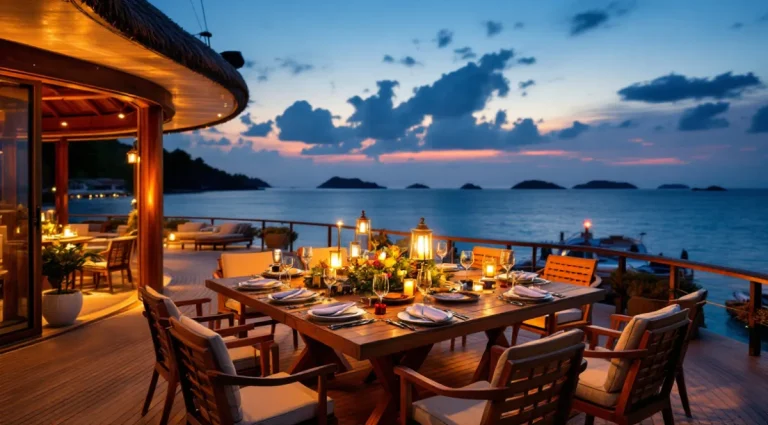
For a birthday party yacht Labuan Bajo, the structure is similar. Build the flex day around the celebration. Sunset dinner at anchor off a Sumbawa beach, a surprise cake served on the sandbar at Taka Makassar, a dedicated evening watch from the bow with a glass of something the crew has been cooling since Day 1. The eight-night frame gives you enough time before and after the milestone moments that the trip feels like a voyage and not just an event.
Season Notes: What Changes by Month
The Grand Tour route as written above — including the full south Komodo loop and the Sangeang crossing — is an October to April product. The May to September version substitutes north-weighted diving and drops the south coast legs. Both are good; they are genuinely different trips.
- October–April (primary season for this itinerary)
- The northwest monsoon brings calm waters to both the south Komodo coast (making Horseshoe Bay and Manta Alley accessible) and the Sangeang crossing. October and November are the clean shoulder months — crowds are down, visibility is building, and the south swell is finished. December through March brings the best manta hit-rates at Karang Makassar (plankton bloom) and the peak Manta Alley season. January and February are the squall months: conditions are manageable more often than not, but the flex day on Day 8 is at its highest value as weather insurance during this window. The written itinerary is the flagship version.
- May–September (north-weighted variant)
- SE trade winds make the south coast too rough for comfortable anchoring. The variant re-routes Days 2–3 through Siaba Besar (turtles), Batu Bolong, and Tatawa Kecil, substituting a strong northern dive programme for the south loop. Central Komodo (Castle Rock, Crystal Rock, Karang Makassar) is at its most consistent in this window. The Sangeang crossing is doable but lumpy in July and August; the flex day becomes a Banta hold option rather than a Wera Bay excursion. An honest itinerary for May to September is a very good nine days — just not the full Grand Tour as written.
- July–August specifically
- Peak season: park is at its most crowded, trade winds at their strongest. A charter boat for 12 people Komodo in July benefits from the private-charter format most acutely — you anchor where day-trip boats don’t and leave at dawn rather than mid-morning. Dragon sightings are reliable; central dive sites are in excellent condition. Sell this window candidly: it’s a great trip with the north variant, and anyone expecting Manta Alley or Horseshoe Bay in August will be disappointed.
One practical note: the Labuan Bajo harbour authority suspends sailing permits during BMKG extreme-weather warnings. This is documented practice — the harbour has issued suspensions during major weather events and your operator will monitor forecasts throughout your charter. It is not a frequent occurrence in the October to April window, but it is real, and it is one more reason the flex day structure pays for itself.
Planning With Us: How the Concierge Process Works
We are a Komodo Luxury planning authority for private charter trips from Labuan Bajo into Komodo National Park. Our concierge service is provided by Indonesia Juara, a sister brand within Juara Holding Group — a disclosed relationship. We do not own or operate any vessel; we match your group’s dates, headcount, budget, and priorities to specific boats, handle the vessel-comparison stage, and support the brief-to-booking process. Our pricing information comes from verified market sources and direct operator research, bracketed and dated because this market shifts with season and exchange rates. No operator can change what we publish. If you proceed with a vessel through our introduction, the operator may pay us a referral fee at no extra cost to you.
To get started, fill in our charter brief form or reach the Indonesia Juara concierge team on WhatsApp with the following: your travel dates, number of guests, cabin requirement (master cabin for a couple, mixed twins and doubles for a family, etc.), whether the group dives or snorkels, any celebration logistics (ceremony timing, catering notes, dietary requirements), and your per-night budget range. That is enough to send back two or three specific vessel options — each with a cabin plan, a per-night rate, and a day-by-day route built for your season.
Frequently Asked Questions
What is a custom itinerary Komodo private boat, and how is it different from a fixed tour package?
A custom itinerary Komodo private boat is a whole-vessel charter — you hire the yacht, phinisi or liveaboard entirely for your group, with no other passengers aboard. The route, daily schedule, and pace are built around your party: dive-heavy or snorkel-focused, celebration logistics included, flex days planned in advance. Fixed tour packages fill shared boats to a set itinerary on a published departure calendar. Private charter costs more per person for small groups (2–4 guests) but is comparable or cheaper per person for larger groups (10–18 guests) and delivers a fundamentally different level of control over every element of the trip.
What is the total cost for a 9-day charter from Labuan Bajo for a group of 14?
Using implied per-night rates (last verified June 2026): an upper-mid vessel at $7,000 per night × 8 nights = $56,000 for the whole boat before park fees. Split across 14 guests, that is approximately $4,000 per person for boat hire. Add Komodo National Park entrance for foreign visitors at approximately IDR 250,000 per person per day (verify at booking) — 8 days × 14 guests at the current IDR/USD rate adds roughly $150–200 per person. Alcohol, scuba equipment rental, nitrox, and tips for the crew are separate. A luxury 8-cabin phinisi at $12,000 per night × 8 nights = $96,000 whole-boat, or about $6,850 per person across 14 guests. Flagship vessels run to $240,000 total at the $30,000/night ceiling — price on application for that tier.
How does the flex day work on Day 8 — do we have to decide in advance?
No. The flex day is intentionally unstructured. You tell the captain the evening before Day 8 what you want to do: a second full day at Sangeang, a run west to the Wera Bay boat-building villages on the Sumbawa coast, or a four-dive marathon anchored wherever the dive conditions are best. In the January to February squall window, the flex day sometimes uses itself as a weather hold at Gili Banta rather than a guest-choice activity — but even then, Banta’s sheltered bay and dive sites are a day well spent. The point is that nothing is pre-committed. That is the difference between a nine-day charter and an eight-day charter with one day of cushion — the ninth night is genuinely open.
Is a Komodo wedding ceremony on a yacht legally recognised in Indonesia?
A charter boat is not a legal venue for civil marriage registration under Indonesian law — formal civil registration happens onshore at the relevant civil registry office. What is common on charter weddings in Komodo waters is a symbolic blessing or private ceremony conducted by an officiant your party arranges: meaningful, photographed, and completely personal, without legal registration on the day. Some couples register formally at home before or after the trip, and use the on-board ceremony as the celebration. This is not legal advice; confirm the legal requirements for your specific situation and nationality with a qualified adviser before planning.
Can we charter a boat for 20 people from Labuan Bajo into Komodo?
The largest verified luxury phinisi configurations carry 18 guests across 9 cabins (confirmed at the top of the market, last verified June 2026). A group of exactly 20 will typically require either two vessels operating in convoy — with itineraries designed to converge at key anchorages like Taka Makassar and Karang Makassar — or one flagship vessel plus a day-boat tender carrying the overflow for excursions. Two-vessel charters are more complex to coordinate but can be memorable in a different way: two boats anchored side by side at Horseshoe Bay, separate dining setups, a shared beach landing. The concierge team has managed both configurations and will advise on the logistics when you brief them.