13D12N Charter — Two Weeks Light: Komodo, Sumbawa & Lombok Unhurried
2 week Indonesia yacht charter Komodo: 13 nights, Labuan Bajo to Lombok via Sangeang & Moyo. Per-night budgets $3k–$30k. Day-by-day itinerary.
20 min read
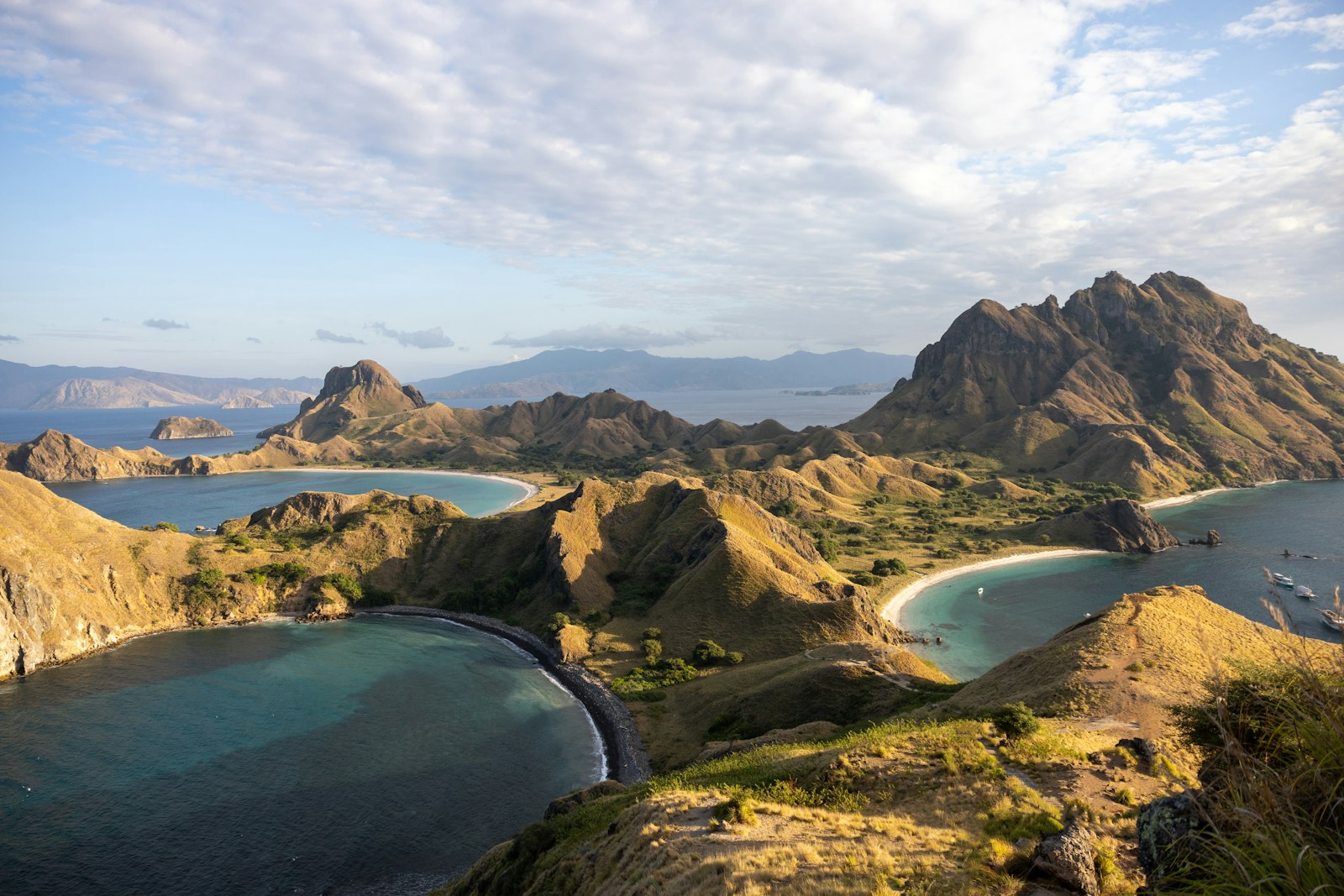
A 2 week Indonesia yacht charter Komodo to Lombok via Sumbawa — 13 nights aboard — is the booking shape that finally lets the itinerary breathe. No day holds more than one passage and two activities. The 12D11N one-way spine is already complete on its own terms: full Komodo Grand Tour, Sangeang volcano, Satonda’s crater lake, two nights on Moyo, the Gili Islands. The thirteenth night extends the Lombok chapter so the Gilis stop being a transit stop and become a destination. That single extra night is the difference between arriving somewhere and being somewhere.
Departing Labuan Bajo and moving through Komodo National Park, the route covers roughly 430–470 nautical miles over thirteen nights — westward through the Sumbawa chain before a tide-timed Lombok Strait crossing into Bali or a Lombok disembarkation. Nothing is condensed. Nothing doubles back without reason. For the flagship-phinisi class — vessels typically requiring five- to seven-night minimums, with weekly preference in peak season (last verified June 2026) — this is the natural duration. It is, in the plainest terms, the charter as its own holiday rather than transport to one.
Who Books a 13-Night Charter — and Why
Three kinds of charterers return to this duration with consistency.
The first is the ultra-luxury group booking a VIP Komodo tour private yacht — a flagship phinisi or large motor yacht taken whole. When your vessel costs $15,000 per night or more, a four-day trip feels like arriving at a grand hotel and checking out before you’ve unpacked. Thirteen nights justifies the vessel, the crew, and the crossing costs. It also opens the one-way repositioning logic — paying once for a Labuan Bajo departure and disembarking in Lombok or Amed, Bali, rather than doubling back.
The second is the large family or multi-family group filling a seven- to nine-cabin boat. Komodo’s national park sites are genuinely extraordinary — but the park alone is five or six days’ material at the pace families actually travel, once you account for slower mornings, afternoon rests, and the child who needs the same snorkel site twice before she’s ready to move. Sumbawa and Lombok round the holiday into something different: cultural stops, waterfall treks, easy turtle dives. No one feels hurried.
The third type is anyone who has already done a shorter Komodo charter and wants the full version. They know what Padar looks like at sunrise. They want Horseshoe Bay in October. They want to anchor off Sangeang and watch the volcano smoke at dusk. They want Moyo’s waterfall to themselves on a Tuesday morning. That person books thirteen nights.
The Route: Labuan Bajo to Lombok via Sumbawa
The spine of the 13D12N luxury Komodo cruise from Labuan Bajo runs westward in one direction. Nights on the standard Shape A route (one-way, strongly recommended for guests flying into Labuan Bajo and out of Lombok or Bali):
- Sebayur or Wae Cicu (shakedown night, close to port)
- Kalong Island (bat-flight anchorage)
- Horseshoe Bay / Loh Dasami (Oct–Apr) or Siaba (May–Sep)
- Loh Sera / Torpedo Bay, south Komodo (Oct–Apr) or Pink Beach (May–Sep)
- Pink Beach
- Gili Lawa Darat bay
- Gili Banta
- Sangeang (Bontoh anchorage)
- Satonda Island
- Moyo Island (Labuan Aji)
- Moyo Island (second night)
- Medang
- Gili Air / Gili Trawangan, Lombok
Day 14: disembark Lombok, or a 2.5–3.5 hour crossing to Amed (Bali) or 7–11 hours to Benoa/Serangan for Ngurah Rai airport convenience. All passage times last verified June 2026; pad 20–30% for current, swell, and photography stops.
Day-by-Day Itinerary
Day 1 — Gentle Start: Sebayur or Wae Cicu
Noon departure from Labuan Bajo. There is no reason to rush the first day. A shakedown dive or snorkel at Sebayur or Seraya Kecil — both within an easy hour of the marina — lets the group adjust to boat life: gear stow, crew introductions, dive briefing if relevant. Anchor before sunset. The first dinner is the crew’s introduction to your tastes; use it. The park begins tomorrow.
Day 2 — Into Komodo National Park: Dragons and Bats
Kelor Island hill trek and snorkel in the morning — the walk is short but the panorama already frames what this park is. Then south to Rinca’s Loh Buaya for a ranger-guided Komodo dragon encounter: these animals are large, genuinely wild, and entirely indifferent to you, which is exactly what makes the walk compelling. By late afternoon the boat is anchored at Kalong Island in time for the flying-fox exodus — tens of thousands of fruit bats against the last light, a spectacle that never quite normalises no matter how many times you’ve seen it.
Day 3 — Padar Sunrise and South Komodo (Seasonal)
Pre-dawn sail to Padar. The trek to the viewpoint takes 45–60 minutes at a measured pace; the ridge above those three bays at first light is the photograph most people carry home from this trip. October–April: afternoon passage south of Rinca (roughly two to three hours) to Horseshoe Bay / Loh Dasami. Cannibal Rock snorkel or dive, then a beach landing where wild dragons occasionally appear without the ranger infrastructure of Loh Liang — quieter and stranger. Anchor in the bay. May–September: the south coast is exposed to the SE trade winds in this window; re-route to Siaba Besar for turtle-dense house reef and evening snorkel, anchor there.
Day 4 — Full South Day or North Komodo (Seasonal)
October–April: Yellow Wall dive at dawn — some of the richest cold-water coral in the park. Then a three-hour run to Manta Alley (Torpedo Bay) for pelagic manta rays; this site peaks in the wet season when plankton concentrations run high, and conditions allowing, manta encounters here are among the most consistent in Eastern Indonesia. Anchor at Loh Sera. May–September: Batu Bolong pinnacle (one of the region’s technically demanding but spectacular drift dives), Tatawa Kecil, the option of a night dive at Sebayur. Anchor Pink Beach.
Day 5 — Pink Beach and Komodo’s Loh Liang
The pink sand at this beach comes from fragments of red coral mixed into the white — the colour shifts with the light and the water clarity here on a flat day is exceptional. Afternoon at Komodo Island’s Loh Liang ranger station for the second dragon trek. Komodo dragons at Loh Liang are more habituated to visitors than Rinca; the habitat is drier, the specimens often larger. Anchor Pink Beach or just north.
Day 6 — Gili Lawa Darat: Castle Rock and the Sunset Ridge
North into the park’s upper reaches. Castle Rock and Crystal Rock sit just off Gili Lawa Laut — among the strongest current-driven dive sites in Komodo, where the water column is thick with schooling fish, sharks, and on good days, hammerheads. Non-divers snorkel the calmer lagoon or take the tender to the beach. Late afternoon: the ridge hike on Gili Lawa Darat for the best sunset panorama in the park, with the volcano silhouettes of Sumbawa just visible on the horizon. Anchor in the bay below.
Day 7 — Karang Makassar Mantas and Gili Banta
Early morning drift at Karang Makassar, the manta cleaning station that operates year-round — a 30-minute snorkel or dive above coral heads where resident mantas queue to have parasites cleaned by wrasse. Then Taka Makassar, the tidal sandbar that emerges at low tide as a pure white stripe in the middle of the strait; the champagne-stop tradition is entirely warranted. Afternoon crossing north and west to Gili Banta, past the park boundary. The K2 wall at Banta is frontier diving — little-visited, current-dependent, genuinely advanced — but the anchorage in Banta’s sheltered bay is calm and, most nights, entirely private. Anchor Banta.
Day 8 — GPS Point and the Sangeang Crossing
GPS Point at Banta at dawn (advanced divers; dive guide’s go/no-go on current conditions). Then the crossing to Sangeang — three to four and a half hours of open water, rewarded on approach by a smoking volcanic cone rising straight from the sea. Bubble Reef and Hot Rocks: volcanic gas seeps through black sand, warming the shallows; the critter life here — rare nudibranchs, rhinopias, frogfish in unlikely colours — is a complete contrast to Komodo’s big-animal drama. Anchor off Bontoh village. Current PVMBG volcanic activity status must be confirmed at booking; last verified June 2026, the anchorage is standard operator practice.
Day 9 — Sangeang to Satonda
Morning on Sangeang: Deep Purple or Techno Reef for photographer-grade critter dives, or a walk into Bontoh village where the fishing community lives in proximity to an active volcano with a philosophical calm that tends to reset visiting perspectives. Then 4.5–6.5 hours west to Satonda Island — a flooded volcanic crater whose lake sits just above sea level. The walk to the crater rim takes 20–30 minutes; the lake inside is a separate, slightly brackish world. Sunset on the crater rim, then anchor off Satonda’s fringing reef.
Day 10 — Satonda Reef to Moyo
Morning snorkel on Satonda’s outer reef before the 3–4.5 hour run to Moyo (Labuan Aji anchorage on the island’s west side). Moyo is a protected nature reserve — no permanent tourism infrastructure, no resort crowds — where the interior forest holds sambar deer, macaques, and resident hornbills. Afternoon dive or snorkel on the house reef; the coral around Moyo’s southern tip is intact and varied. Anchor at Labuan Aji.
Day 11 — Full Moyo Day: Mata Jitu Waterfall
The waterfall trek is the reason Moyo earned its quiet fame. Mata Jitu — the site associated with a famously private visit by a British royal — requires a guided walk of roughly 30–45 minutes through forest to reach a multi-tiered falls with a swim pool at the base. Diwu Mbai’s rope swings follow if energy permits. Beach BBQ lunch on the island. Afternoon bird walk with the crew guide, or an afternoon dive on a different section of reef. This is the second full Moyo night — not the night before an early departure, but a night that simply belongs to the island. Anchor Labuan Aji.
Day 12 — Moyo to Medang
The long leg west to Medang (4.5–6.5 hours) passes the Sumbawa coast at the pace it deserves — sitting on the bow rather than watching the clock. Medang has a sandbank anchorage and a fringing reef rarely visited by charter boats. Afternoon reef stop, sunset on the bank, anchor. The Lombok Strait is visible now as a concept; tomorrow it becomes real.
Day 13 — The Lombok Day: Gilis as Destination
Three to four hours from Medang to the Gili Islands, arriving in time for a morning dive on Gili Meno’s turtle-rich wall — one of the genuinely easy, high-reward dives in the archipelago, suitable for newer divers and snorkelers. Gili Air’s reef snorkel in the afternoon. Unlike the 12D11N shape where this is a transit night before the Bali crossing, tonight the Gilis are the destination: sunset from the boat off Trawangan or Sire Bay, a farewell dinner the crew has been building toward. Anchor.
Day 14 — Lombok Departure or Bali Crossing
The Lombok Strait runs strong tidal currents; the captain will time the crossing regardless of season, and this is entirely standard practice. Three options: disembark Lombok (Bangsal or Teluk Nare) for a domestic flight home; 2.5–3.5 hour passage to Amed on Bali’s quiet east coast for a last hotel night; or 7–11 hours to Benoa/Serangan for Ngurah Rai airport logistics. The one-way route makes the boat the transfer — no domestic flight between Labuan Bajo and Lombok needed, no wasted half-day in an airport.
Budget: Per-Night Math for a 13-Night Charter
The market for private charter vessels out of Labuan Bajo into Komodo National Park operates on a range basis — the quoted rate depends on vessel class, cabin count, season, and the specific all-in inclusions agreed at booking. All figures below are indicative ranges last verified June 2026; the market quotes per trip or per week, so these are implied nightly figures.
- Mid-range phinisi (3–6 cabins, 6–14 guests)
- ~USD 2,500–8,000 per night implied. 12 nights × $3,000 = $36,000 entry point. Full board, crew, snorkel gear standard; scuba and alcohol typically extra.
- Luxury phinisi (5–9 cabins, 8–18 guests, full AC + ensuite + senior crew)
- ~USD 8,000–15,000+ per night. 12 nights × $10,000 = $120,000. Verified broker anchors in this class: vessels comparable to The Maj Oceanic (47–51m, 7 cabins, ~$15,000/night, two-source triangulated) through the $8k–12k mid-luxury tier. Amenities at this level typically include a full chef, SUPs, kayaks, on-deck jacuzzi where fitted, and a crew-to-guest ratio approaching 1:1 on the larger boats.
- Flagship phinisi and motor yacht (55–65m, 9 cabins, 18–21 crew)
- ~USD 18,000–30,000 per night (last verified June 2026). 12 nights × $20,000 = $240,000. Vessels in the Prana by Atzaro class (55m, 9 cabins, 18 guests, 21 crew) are listed in the $18,000–20,000/night bracket at weekly rates; other flagship names are price-on-application only — do not treat any published rate as current without a fresh quote. This is the natural vessel class for a 13-night charter; weekly minimums and weekly preference are standard at this tier (typically, last verified June 2026).
A worked example for a group of eight guests on a premium 7-cabin luxury phinisi: 12 nights × $12,000/night = $144,000 charter fee before Komodo National Park entry fees (IDR 250,000 per foreign visitor per day, travel-site consensus, last verified June 2026 — verify at booking), before fuel surcharge on Bali legs, and before gratuity. Park fees for 8 guests over roughly 7 days in the park approximate IDR 14,000,000 (~USD 850) at current rates; vessel permits are handled by the operator. Budget separately for scuba, premium beverages, and pre-/post-charter accommodation.
The total math for 12 nights across the full vessel range: USD 36,000–360,000. For a premium Komodo cruise on a mid-luxury vessel, the realistic sweet spot for flagship-class, full-boat private charter sits between $120,000 and $240,000 for this duration.
Ready to work through vessel classes and availability for your dates? Design your charter with our concierge team — we’ll match the vessel to the group before quoting anything.
The Seasons: When to Go and What Changes
The 13-night itinerary as written above is the October–April product. The NW monsoon keeps the south coast calm enough to include Horseshoe Bay, Manta Alley, and Loh Sera without rerouting — and Satonda and Moyo sit within sheltered water regardless of season. January and February bring the wettest weeks, but rain in this region typically arrives in short bursts rather than all-day downpours; the two Moyo nights in the itinerary are the natural weather buffer if a passage needs to slip a day.
The May–September dry season is the more comfortable cruising window for north and central Komodo — clearer skies, less humidity, Gili Lawa nights that are genuinely glorious. The south coast (Days 3–4 in the October–April version) is rerouted to Siaba Besar and Batu Bolong in this window, and the product remains excellent; it is honestly different rather than inferior. Manta Alley’s plankton peak shifts; Karang Makassar mantas remain year-round.
July and August are the busiest months and the windiest. The SE trades make the Sangeang crossing lumpy in the wrong direction; the westbound route (Labuan Bajo to Lombok) is downwind in this window and still manageable for a well-crewed phinisi, but the south Komodo legs become genuinely uncomfortable. Peak-season surcharges apply at most vessel tiers.
We do not promise weather. KSOP Class III Labuan Bajo has suspended sailing permits during BMKG extreme-weather warnings before — this is standard maritime safety practice. If a passage is closed, the boat stays; we re-route, not push.
Vessel Class Guide for a 13-Night Charter
Choosing the right vessel class for a near-fortnight ultra luxury phinisi Komodo expedition matters more than it does for a 3-night trip, because comfort compounds over time. What feels manageable for two nights — a narrow cabin, shared outdoor bathroom, engine noise at anchor — begins to grind after a week.
| Class | Size (typical) | Cabins / Max Guests | Crew | Key features at this class | Implied nightly rate (last verified June 2026) |
|---|---|---|---|---|---|
| Mid phinisi | 22–35m | 3–6 cabins / 6–14 pax | 6–10 | Full AC standard, mix ensuite/shared on older builds; dedicated cook; snorkel gear; SUPs on better-equipped vessels | ~USD 2,500–8,000/night implied |
| Luxury phinisi | 30–50m | 5–8 cabins / 8–16 pax | 10–18 | All-ensuite standard; full AC; senior chef; SUPs + kayaks; on-deck social space; some vessels carry a jacuzzi (verify per spec) | ~USD 8,000–15,000/night implied |
| Flagship phinisi / motor yacht | 47–65m | 7–9 cabins / 12–18 pax | 16–21+ | Near 1:1 crew-to-guest on top vessels; full spa/gym possible; chef + sommelier; seabobs on some specs; full dive compressor; weekly minimum typical | ~USD 15,000–30,000/night implied |
For a phinisi group charter Labuan Bajo parties filling a 7- to 9-cabin boat: groups of 10–16 guests sharing the vessel whole typically reach the best per-person rate at this duration. A flagship phinisi at $20,000/night across 12 guests works out to roughly $1,667 per person per night — comparable to a premium Maldives overwater villa, with the boat moving through five distinct marine regions rather than sitting in one lagoon.
A luxury phinisi with jacuzzi Labuan Bajo operators offer — fitted on several 40–55m vessels in the premium tier — pairs the on-deck soak at Sangeang’s sunset anchorage with the hot spring logic of the dive sites below. These are specification-specific; confirm with the vessel’s spec sheet before booking.
What the 13th Night Specifically Buys
The 12D11N route ends at Gili Air after one night — you arrive, anchor, sleep, and cross to Bali in the morning. The Gilis are a visa stamp on the itinerary.
The 13th night means the Gilis are a day. Gili Meno’s turtle wall in the morning. Gili Air’s reef in the afternoon. Sunset off Trawangan’s northwest point with a Lombok Rinjani silhouette in the distance if the haze is right. A farewell dinner at anchor that the crew has been building toward since Labuan Bajo. Divers use it as a decompression day before flying — easy shallow sites, no current, high turtle hit-rate, nothing to prove.
It also gives the voyage a natural crescendo rather than a trailing-off. The Lombok Strait crossing to Bali on Day 14 is tide-timed and professional; it is an arrival, not a commute.
Add-Ons and Customisation
The itinerary above is a planning framework, not a contract. The Indonesia Juara concierge team (our white-glove planning partners, sister brand within Juara Holding Group, disclosed) builds each 13-night route specifically for the party: dive certification levels, pace preference, whether the children want the same site twice, whether the anniversary dinner happens at Sangeang or Moyo.
Common additions for this duration:
- Wera Bay stop (Sumbawa coast): traditional wooden boat-building village, accessible as a cultural half-day between Sangeang and Satonda on the longer transit days
- Third Moyo night: the island can absorb an extra day without repetition — the east coast reef, a second waterfall trail, or simply staying put in a place that rewards stillness
- Second Horseshoe Bay night (Oct–Apr): the south-coast anchorage is calm enough for a full evening and early-morning dive before heading north, eliminating any feeling of rushing the best sites
- Lombok land excursion: a Sire Bay pre-arranged car transfer to Sendang Gile waterfall or north Lombok, with the boat anchored offshore and a tender pickup at a designated beach — requires advance coordination through the planning team
- Flores prologue: departing a day early and spending the first night on the Flores coast east of Labuan Bajo; rarely visited coral gardens, no park fees, completely different character from Komodo
If your party travels with a dedicated dive instructor, photographer, or marine biologist guide, this duration is the one where that investment pays in full. Thirteen nights across five distinct marine regions — south Komodo’s cold-water color, Sangeang’s volcanic black sand, Moyo’s intact reefs, the Gilis’ turtle nurseries — gives a specialist guide something real to work with.
To start building your specific route, submit your charter brief or reach out via WhatsApp — our planning team typically responds within a few hours and will tell you honestly what vessel classes are available for your dates and budget.
Practical Notes: Getting There, Leaving, and What to Bring
Labuan Bajo (LBJ) is served by direct domestic flights from Bali’s Ngurah Rai (DPS) — multiple daily — and from Jakarta’s CGK. Bali is the primary international gateway. No scheduled international service operates into Labuan Bajo as of 2025–2026; plan an overnight in Bali if you are arriving from overseas on the morning of departure day.
Departure logistics for the one-way Shape A route: fly into LBJ, disembark in Lombok (Bangsal pier, roughly 10 minutes from Teluk Nare) and connect to Lombok International Airport (LOP) for domestic and some international connections, or take the Lombok-to-Bali leg by boat as described on Day 14. Confirm airport connections based on current airline schedules; flight options into LBJ change seasonally.
Komodo National Park tickets operate via the SiORA online reservation system (not walk-in); advance booking is mandatory and the park reportedly runs a daily visitor cap (single-source; verify at booking, last verified June 2026). The operator handles vessel permits; personal entry fees are typically settled separately at the park gate on mid-range charters and increasingly bundled on luxury and flagship vessels — confirm exactly what is included in your quote.
Frequently Asked Questions
What is the realistic total cost of a 2 week Indonesia yacht charter in Komodo including park fees?
Charter fee for 12 nights ranges from roughly USD 36,000 (mid phinisi at the entry bracket) to USD 360,000 (flagship-class vessel, top tier), with the majority of whole-boat private charters for groups of 8–14 guests in the $120,000–$240,000 range. Add Komodo National Park entry fees of approximately IDR 250,000 per foreign visitor per day (travel-site consensus, last verified June 2026 — verify at booking) for roughly 7 days in the park, plus fuel surcharges on extended one-way routes, and a 10–15% tip for the crew if the trip meets expectations. All vessel rates are implied from market data and should be quoted fresh; no published rate should be treated as fixed.
Is the 13-night Komodo charter available year-round, or is October–April the only viable window?
The itinerary works year-round with seasonal adjustments. October–April is the premium window: south Komodo (Horseshoe Bay, Manta Alley, Cannibal Rock) is accessible under the NW monsoon, and the Satonda–Moyo passage sits in sheltered water. May–September substitutes the south legs for north Komodo dive sites (Castle Rock, Crystal Rock, Batu Bolong) and Siaba Besar — a genuinely excellent alternative, not a downgrade. July–August peak season brings higher demand, peak surcharges, and windier conditions; the westbound one-way route is technically downwind in the trades, which helps. January–February can bring squalls; the two Moyo nights are built into the itinerary specifically as a weather buffer in that window.
What vessel minimum nights apply to flagship-class phinisi in Komodo?
Flagship phinisi and motor yacht operators in the $15,000+/night class typically require a five- to seven-night minimum, with weekly preference in July–August and December–January peak periods (inferred from broker practice, last verified June 2026 — confirm per vessel). The 13-night duration comfortably exceeds any minimum. Shorter minimums apply to mid-range and luxury phinisi; the Indonesia Juara planning team will advise on current availability for your specific dates.
Can a family with children do the full 13-night route?
Yes, and this duration is actually well-suited to families precisely because no day requires an exhausting schedule. The itinerary’s design — one passage and at most two activities per day — gives room for slow mornings and repeated favourite sites. Komodo’s currents are a genuine safety point: snorkel and diving sites vary significantly in current strength, and the onboard dive guide will identify sites appropriate for children’s ages and swimming ability at each stop. Luxury and flagship phinisi increasingly have convertible twin-plus cabins for families. Operator minimum-age recommendations and supervision requirements apply; confirm these when booking. The Moyo and Gili days are particularly family-friendly: calm, shallow, no dragons.
How does the phinisi group charter from Labuan Bajo work for a large group filling the whole boat?
A whole-boat group charter means the vessel, crew, and itinerary are exclusively yours for the duration — no other guests, no shared mealtimes, no negotiating over the dive briefing. For groups of 10–18 filling a 7- to 9-cabin flagship phinisi, the per-person cost at $20,000/night across 12 guests is roughly $1,667 per person per night, all-inclusive of accommodation, full board, crew, snorkel gear, and (on most luxury vessels) daily water activities. That calculates to approximately $20,000 per person for the 12-night charter, excluding park fees, scuba, and beverages — comparable to premium overwater resorts, with genuine expedition value added. Reach out via our charter brief form and we’ll match the cabin count to your group and walk through the vessel options available.