Taka Makassar & Kalong Island by Boat: Sandbar Noon, Bat Sunset
How to time Taka Makassar's sandbar and the Kalong Island sunset bat tour from Labuan Bajo: tides, boat times, park fees and boats that do both.
7 min read
Taka Makassar and Kalong Island by boat: sandbar noon, bat sunset
Taka Makassar is a crescent sandbar best walked around midday on a lower tide; Kalong Island is a mangrove islet where thousands of flying foxes lift off at sunset, roughly 18:00 to 18:30. Charters pair them as bookends of one day, 45 to 90 minutes from Labuan Bajo.
By Yohanes Sanggu, journal editor. Reviewed by Kristoforus Jehamat, Fleet Director.
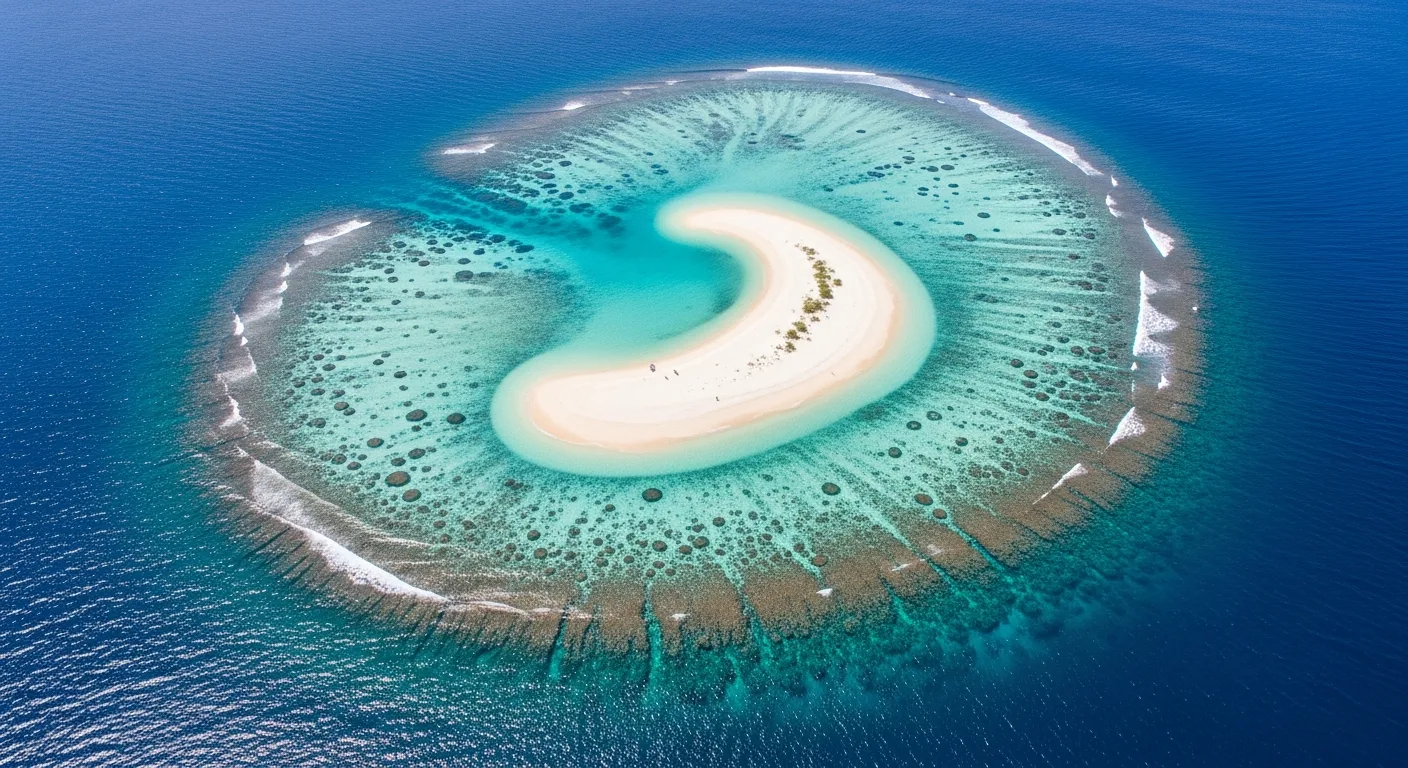
Two of the park’s most photographed moments cost nothing extra and require no trekking: a bare sandbar at noon and a sky of bats at dusk. The trick to both is timing, which is why the Kalong Island sunset bat tour from Labuan Bajo and the midday stop at Taka Makassar are scheduling problems before they are destinations. This guide covers the tide, the clock and the boats whose documented routes carry both.
Taka Makassar at noon
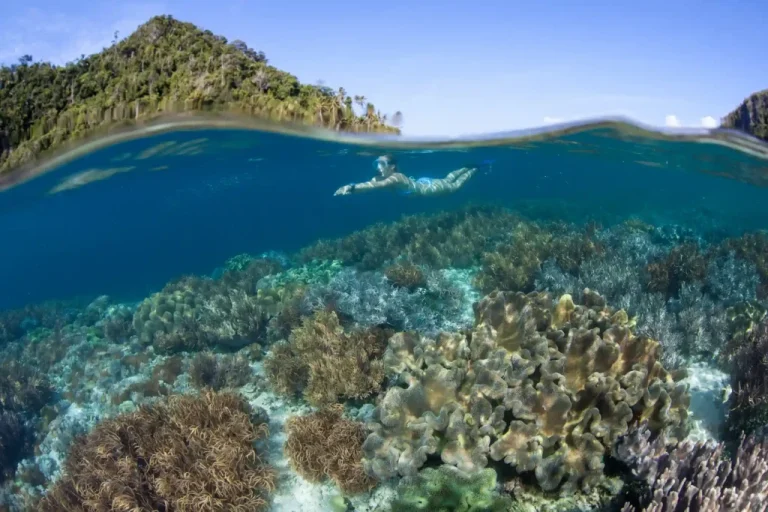
Taka Makassar is a sliver of white sand and broken coral standing alone in open turquoise water, a short run from the manta channel at Karang Makassar. On a low or falling tide it is a genuine islet you can walk end to end; toward high water it shrinks to a bright shoal under your ankles. Crews aim for the middle of the day, when the light is overhead, the shallows glow, and the tide window most often cooperates.
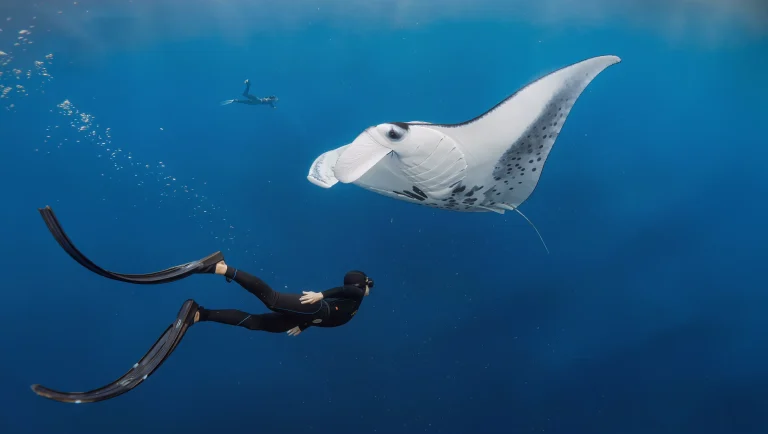
Do not write it off as a photo stop. The rim of the reef flat drops into easy snorkeling, with turtles working the edges and reef fish crowding the coral heads. And because it sits beside Manta Point, most itineraries stitch the two together: drift with the mantas, then dry out on the sand while the crew sets lunch on board.
Kalong Island at sunset
Kalong means flying fox in Indonesian, and the island earns the name. This mangrove islet between Rinca and Papagarang roosts thousands of large fruit bats of the genus Pteropus, and every evening at last light they rise, stream after stream, heading for the fruit trees of Flores. The exodus begins around sunset, between 18:00 and 18:30 depending on the season, and continues in waves for another thirty to forty-five minutes.
Boats do not land. They anchor off the mangrove line as the light drops, engines quiet, and the show happens overhead against the afterglow. Bring a longer lens if you want individual animals; bring nothing at all and it is arguably better. From Labuan Bajo the islet is about 45 to 60 minutes by speedboat, up to an hour and a half on a slower wooden hull, which is what makes it both the closing act of day trips and the first-evening anchor point of longer charters.
How charters stitch the two together
On a day trip the sequence runs west then back: an early start, the big central-park stops through the morning, the sandbar around midday, and Kalong timed as the final anchor before the run home in the dark. On a 2D1N charter the same pieces spread out more comfortably: near islands like Kelor and Manjarite in the first afternoon, covered on our Kanawa and Kelor page, the bat exodus as the first night’s entertainment at anchor, and the sandbar the next day in proper light. Our 2D1N itinerary breakdown shows the full running order hour by hour.
Boats whose documented routes include both
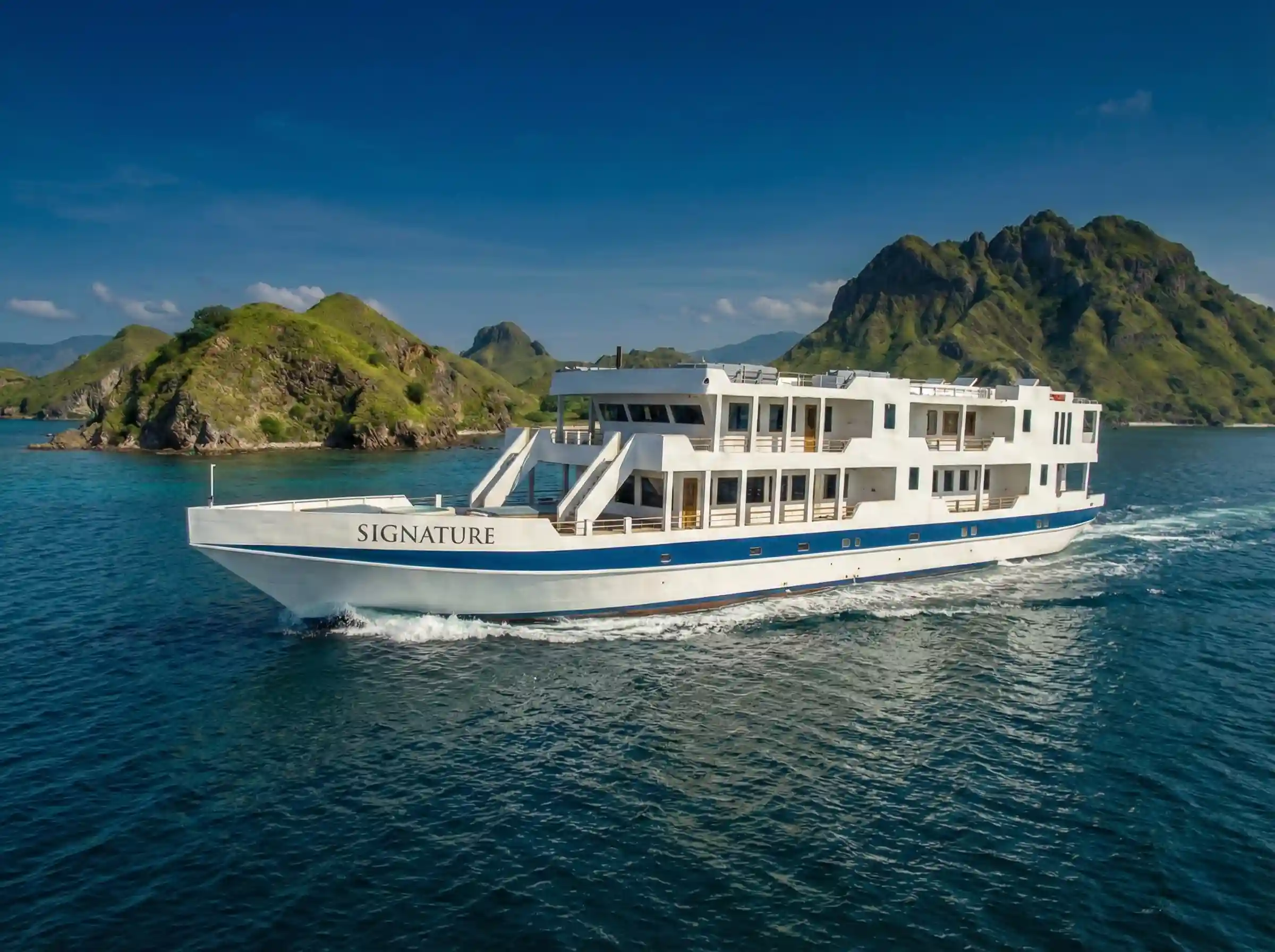
You rarely need to request these stops specially; the fleet already goes. In our directory, the documented itineraries of Raffles Cruise, Semesta Voyage and Andalucia 2 all carry both Taka Makassar and Kalong Island, and Lamain Voyage anchors at Kalong on its published route. Even the day speedboat Aquamarine lists Kalong among its stops, which is how a single-day guest still gets the sunset. What matters when booking is the order: confirm the crew is holding Kalong for last light rather than passing it at 15:00, because the islet is unremarkable until the sky moves.
Fees and practicalities
Both stops sit inside Komodo National Park, so the standard 2026 entry applies: IDR 250,000 per person per day for foreign visitors, IDR 50,000 to 100,000 for domestic visitors depending on the day, plus the IDR 25,000 harbor fee. Neither stop involves a ranger trek, so no trekking fee applies here. If you plan aerial shots of the sandbar, note the park’s drone permit runs IDR 2,000,000 per day and is enforced.
Practical notes from the water: there is no shade on Taka Makassar, so hats and reef-safe sunscreen do real work; the sandbar’s edges carry current, so keep swimmers inside the rim; and at Kalong, keep voices and lights low, since spotlighting the mangroves at dusk is poor manners toward the residents. Check the full pre-departure list in our charter FAQ. Every itinerary we arrange is run by the operating team at Komodo Luxury, and timing these two stops is the sort of detail that team owns.
Notes from the rail
What the postcards undersell about Taka Makassar is the color gradient: from the boat, the water bands from navy through jade to a pale glass over the sand, and the bar itself moves as the tide breathes. On a falling tide you watch the crescent surface in real time, terns and the occasional heron arriving to patrol the new ground. Kalong is the opposite register. The anchorage goes quiet, the mangroves darken into a single mass, and the first bats leave almost tentatively before the sky fills with them, wingbeats audible when the engines are off. The two stops book-end a day with entirely different kinds of spectacle, which is exactly why crews refuse to swap their time slots.
Photography: phones, lenses, drones
Midday at the sandbar is phone territory, and the overhead sun is your friend for once; a polarizing clip deepens the blues if you carry one. The bats are harder. You are shooting dark animals against a bright afterglow, so expose for the sky and let the silhouettes carry the frame; a longer lens isolates individuals, but the wide shot of the full stream is usually the keeper. Drones need the park’s permit at IDR 2,000,000 per day, enforced, and they are unwelcome at Kalong regardless: rotor noise and a rising bat colony are a poor mix.
Questions we hear at the desk
What time do the bats fly at Kalong?
The first waves lift around sunset, 18:00 to 18:30 local time, with the main stream running thirty to forty-five minutes after. Crews position the boat before the light drops, so the schedule is theirs to keep, not yours.
Can you swim at Taka Makassar?
Yes, and you should. The reef rim is shallow, clear and easy, one of the friendliest snorkels in the park. Stay inside the rim, where the water is calm; the open edges carry more current than the postcard suggests.
Is the sandbar always above water?
No. Its size swings with the tide, from a walkable crescent to a bright shoal. Crews plan the stop around the day’s tide table, which is one more reason the running order belongs to people who read the water daily.
Do you need a full day for both?
A day trip covers both comfortably with the central park in between, but the pacing is brisk. On an overnight charter the pair spreads naturally, bats on the first evening and the sandbar in next-day light, which is the version we recommend when the calendar allows.
Which stop should get priority if the weather turns?
Kalong, because it is close to shelter and the bats fly in most conditions short of a storm, while the sandbar needs sun and a cooperative tide to be itself. Crews make the same call: the sandbar moves to the better day, the bats keep their evening slot.
Want both timed to the minute? Message the fleet desk on WhatsApp at (+62) 811 3823 875 or email [email protected] with your dates, and we will build the day around the tide table and the sunset clock.