Komodo Scuba Diving for Beginners: A 2027 First-Timer’s Guide from Labuan Bajo
8 min read
Quick answer: Yes — Komodo suits newly-certified divers, provided you dive the right sites. Gentle reef and manta stops such as Makassar Reef sit far from the park’s fierce channels. A private charter from Labuan Bajo lets you match each dive to your comfort, pacing depth, current and rest across calm, protected water.
Komodo National Park has a fearsome diving reputation, and much of it is deserved: some of its channels rip with current strong enough to humble a technical diver. So when a newly-certified guest emails our desk in Labuan Bajo asking whether Komodo is “too much” for a first proper dive trip, we understand the nerves. The honest answer, though, is that the park is far gentler than its highlight reels suggest — as long as someone who knows the tides is choosing your sites. This 2027 guide sets out exactly which sites we send beginners to, how we manage current, and how to structure your days so your first Komodo dives feel exhilarating rather than overwhelming.
Is Komodo really beginner-friendly? Our honest answer
Komodo holds two very different kinds of diving in the same marine park. In the exposed channels between islands, tidal water squeezes through narrow gaps and accelerates into the drift dives and “washing machine” descents that fill the videos. But the same 29-island park also shelters dozens of calm, shallow reefs in bays and lees where the current barely moves. A beginner’s Komodo trip is simply a matter of staying on the second list. With a private boat and a guide reading the tide tables, there is no reason a diver with an Open Water card and a handful of logged dives cannot have a superb, low-stress time here.
The calmest sites we route beginners to
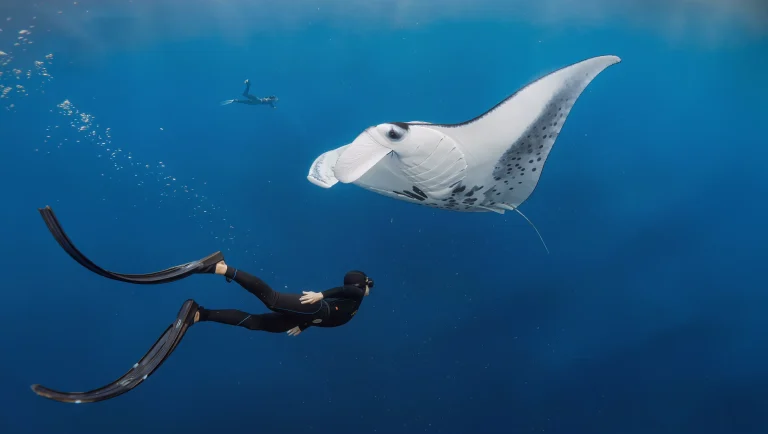
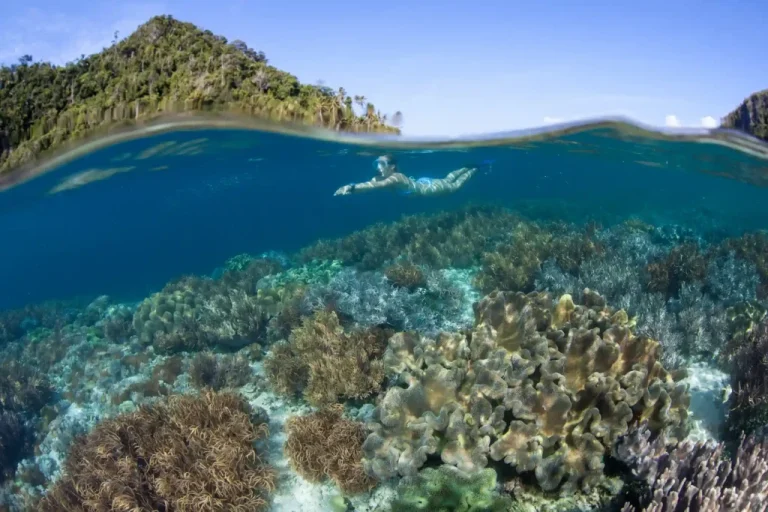
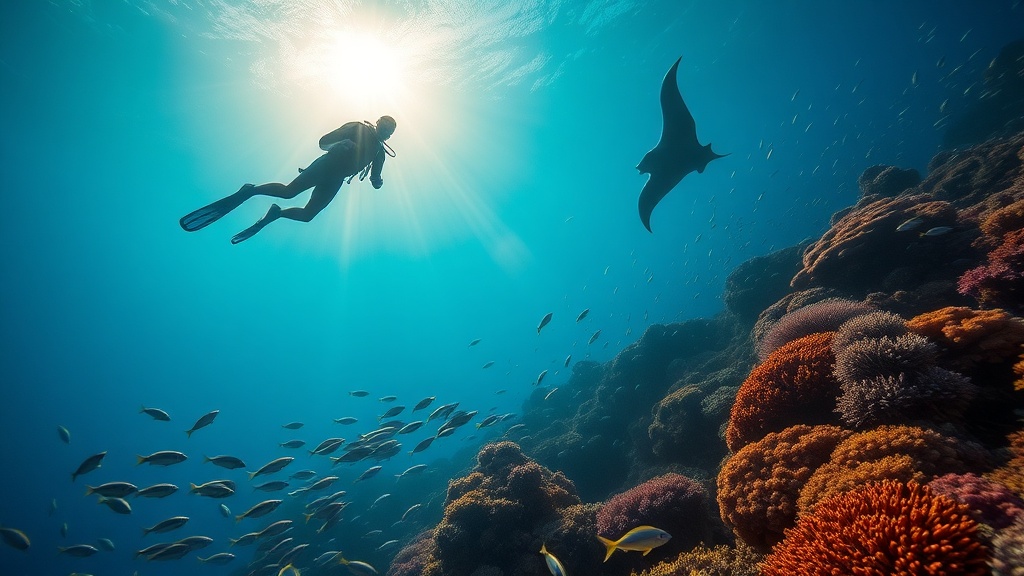
Our shortlist for new divers centres on the park’s sheltered reefs and its famous manta stop. Makassar Reef — the long, shallow drift that passes the manta cleaning station most people call the Manta Point cleaning station — is a gentle glide over sand and coral rubble when we time it right, and it is often a first-timer’s favourite dive of the trip. Bays around Sebayur, Siaba and the reefs near Kanawa and Kelor islands offer easy, colourful coral gardens in warm, clear water with little to no current, ideal for settling your buoyancy before anything more ambitious. We deliberately keep the high-voltage sites — the deep pinnacles and the surge channels — off a beginner itinerary until you tell us you want them.
How strong are the currents — and how a charter controls exposure
Komodo’s currents are tidal, so they are predictable: they build and slacken with the moon, not at random. That predictability is the whole reason a private charter works so well for nervous divers. Because you are not tied to a shared boat’s fixed schedule, we can drop you at a drift site during slack water, save the exposed channels for confident days, and simply skip anything the conditions turn snappy. One group, one guide ratio, one plan built around your logbook — that is what a private Labuan Bajo boat charter to Komodo dive sites buys you, and it is the single biggest safety and comfort lever a beginner has in this park.
Water temperature and visibility: what to expect
Komodo straddles a temperature divide, and it is worth understanding before you pack. The northern sites near Komodo Island are typically warm, often around 27–29°C, with easy visibility. The southern reefs are fed by cool, nutrient-rich upwelling that can drop the water into the low 20s°C — thrilling for marine life, but chilly if you have only ever dived in boardshorts. We advise beginners on a 3mm full wetsuit as a minimum, and a 5mm if you feel the cold, particularly if your itinerary dips south. Visibility swings with the tide and plankton, commonly running anywhere from roughly 10 to 30 metres.
How many dives a day, and how many days to plan
On a day-trip structure from Labuan Bajo we usually run two, sometimes three dives a day, with a relaxed surface interval and lunch back aboard between them — a comfortable rhythm that never leaves a new diver rushed. Liveaboard programmes push a little further, often three dives daily plus the option of a night dive. For a first Komodo trip we generally suggest planning three to four diving days: enough to build confidence on the easy reefs, enjoy the mantas, and still have a spare day if weather reshuffles the plan. If you would like us to shape the exact rotation, our Komodo diving charter desk can build the day-by-day around your certification and pace.
Liveaboard or day trips? Choosing from Labuan Bajo
Labuan Bajo is the sole gateway to the park, reached via Komodo Airport (LBJ), and both diving styles start from its harbour. Day trips make sense if your priority sites sit in the central and northern park: a speedboat reaches the Komodo Island area in roughly 60–90 minutes, so you dive and sleep ashore in town each night. A liveaboard earns its keep when you want the remote southern reefs and dawn descents without a long daily commute, since a traditional wooden phinisi cruises far slower — closer to three to four hours to Komodo. For most beginners, a day-trip base in Labuan Bajo is the simpler, gentler introduction; the liveaboard is the natural second trip once you are hooked.
Planning your 2027 beginner dive trip
The dry season, roughly April to October, brings the calmest seas and best visibility, with July to September the busiest stretch; November to March is the monsoon, with squalls and occasionally rougher crossings. Mantas are seen year-round at the cleaning stations, though December to March and the April–May transition are commonly cited as peak months. Do note that since April 2026 the park has enforced a strict daily visitor cap of around 1,000 people across tourist zones, so booking your dates ahead genuinely matters. Park entry and conservation fees are currently disputed between competing schemes and change by day and category — we never quote a single hard figure, and confirm the exact, current fee with you at the time of booking. Expect to share the water with reef sharks, turtles, schooling fish, macro life on the muck reefs and, of course, the mantas — the marine life that makes even an easy Komodo dive feel like a safari.
Frequently asked questions
Is Komodo National Park good for beginner scuba divers from Labuan Bajo?
Yes, on the right sites. Komodo has fierce channels, but it also has many sheltered, shallow reefs with little current that suit newly-certified divers. From Labuan Bajo we route beginners to calm bays and the gentle Makassar Reef manta drift, timing every dive to the tide so your first Komodo experience stays comfortable and confidence-building.
How many dives per day do you usually do on a Komodo charter from Labuan Bajo?
On day trips from Labuan Bajo we typically run two to three dives a day with a relaxed lunch and surface interval between them. Liveaboards often add a third or a night dive. For beginners we keep the pace unhurried, and are happy to drop to two easy dives daily if that suits your comfort and certification level better.
How strong are the currents when scuba diving in Komodo National Park from Labuan Bajo?
They vary hugely by site and tide. The exposed channels can run very strong, which is why they are advanced dives, but sheltered reefs stay calm. Because Komodo’s currents are tidal and predictable, our guides plan drift dives around slack water and keep beginners on gentle sites, avoiding anything that turns snappy on the day.
Is scuba diving with manta rays at Manta Point possible for inexperienced divers from Labuan Bajo?
Usually, yes. Makassar Reef, the drift most people call Manta Point, is often a shallow, gentle glide over sand when timed correctly, making it one of the more beginner-suitable ways to dive with mantas. We watch the tide, brief you thoroughly, and keep the group small so your first manta encounter feels safe rather than daunting.
Is a Komodo liveaboard from Labuan Bajo worth it compared to day-trip diving?
It depends on where you want to dive. Day trips from Labuan Bajo are simpler and gentler for a first visit, letting you sleep ashore and reach central sites in 60–90 minutes. A liveaboard is worth it once you want remote southern reefs and dawn dives without long daily commutes — typically a rewarding second Komodo trip rather than a beginner’s first.
Ask our fleet desk on WhatsApp