Komodo National Park’s 2027 Rules for Boat Charters: Fees, Quotas, Mooring & Plastic Bans
8 min read
Quick answer: By 2027, boat charters entering Komodo National Park must budget for conservation and ranger fees that vary by scheme and day, respect a daily cap of roughly 1,000 visitors across tourist zones, use designated mooring and no-anchor areas, and carry no single-use plastic. Our fleet desk confirms every fee and permit at the time of booking.
As the fleet-curation desk based in the park’s only gateway town, we field the same question every week: what are the Komodo National Park 2027 rules for Labuan Bajo boat charters, and how much of it will affect my trip? The honest position is that regulation has tightened steadily since the daily visitor cap arrived in April 2026, and several figures remain in flux. This briefing sets out what is settled, what is still moving, and exactly how a well-run charter keeps you compliant without spoiling the sailing.
Why 2027 is a watershed year for Komodo compliance
Labuan Bajo is the sole gateway port to Komodo National Park, reached via Komodo Airport (LBJ), so every regulatory change lands here first. The park spans roughly 29 islands, with three main landing points — Komodo, Rinca and Padar — plus smaller stops such as Kanawa, Kelor, the flying-fox roost at Kalong and the Taka Makassar sandbank. From April 2026 the authorities began enforcing a strict daily cap of around 1,000 visitors across tourist zones including South Padar. Through 2027 that framework of quotas, zoning and conservation charges has become the baseline that every liveaboard and day charter must plan around, rather than an afterthought bolted on at the jetty.
Conservation fees in 2027 — a moving target we track daily
This is the area travellers most want pinned down, and the one where we urge the most caution. The 2026–2027 entry and conservation fees for Komodo National Park are genuinely disputed: sources conflict, and the amounts vary by scheme, by nationality tier, and even by whether you visit on a weekday, a weekend or under an annual-pass arrangement. Many operators now quote a mandatory bundled foreign ticket that folds together park entry, ranger and activity components, but the precise figure is not something we will publish as a single hard number, because it changes and because quoting it wrongly is worse than not quoting it at all.
What we can tell you is how the money behaves. Treat any price you see online — ours included — as indicative only. The conservation charge is typically levied per person per day inside the tourist zones, which is why a longer liveaboard itinerary costs more in fees than a single day trip covering the same islands. We reconcile the current tariff with the park office before we confirm your charter, present it transparently in your quotation, and settle any adjustment before departure so there are no surprises at the ranger post.
Visitor quotas and what they mean for your itinerary
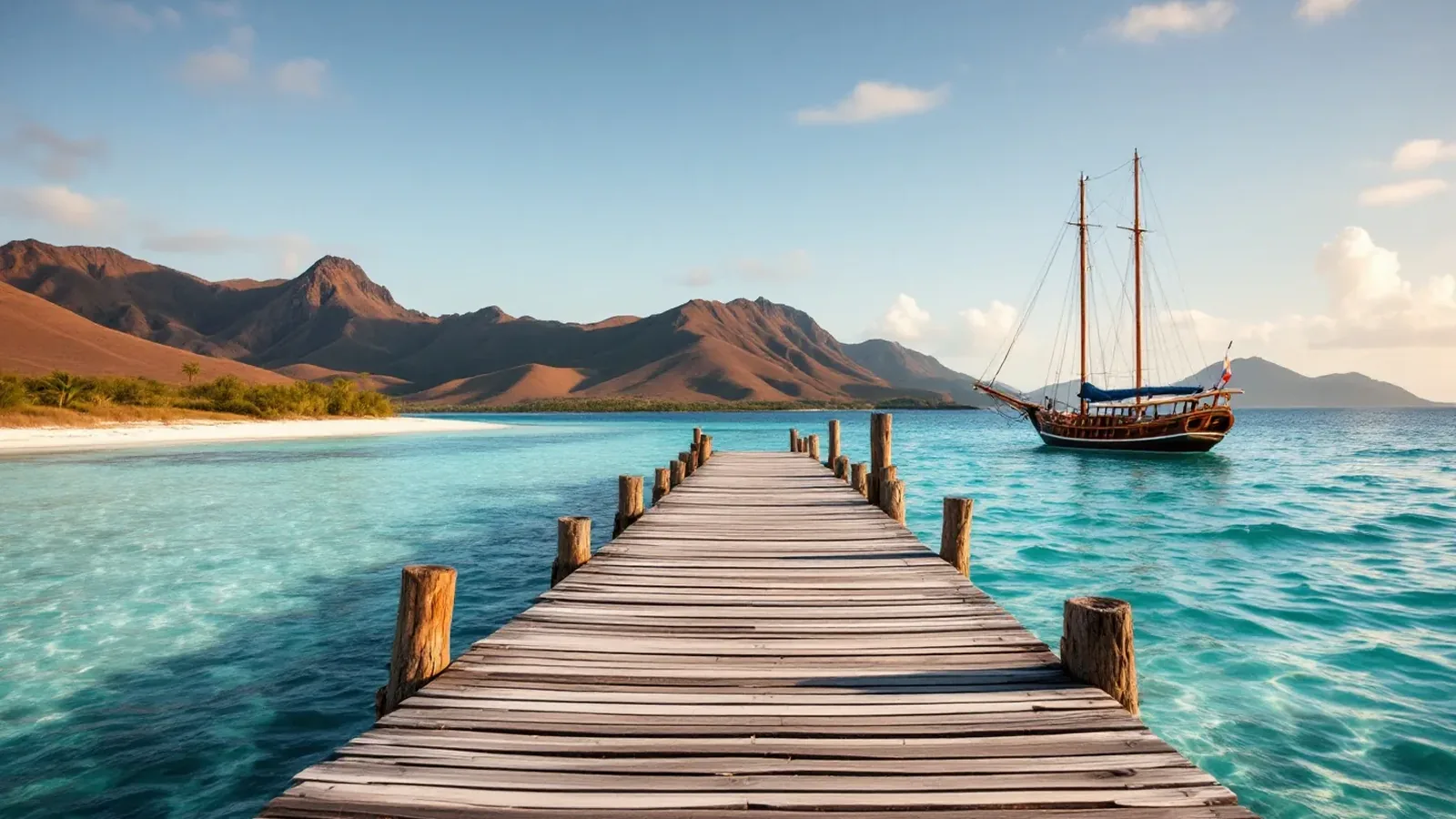
The roughly 1,000-visitor daily cap is the rule most likely to shape your actual day on the water. Because Padar Island’s viewpoint and the dragon-trekking sites on Komodo and Rinca draw the heaviest demand, access can be time-slotted and, on peak days in the busy July–September window, effectively rationed. For a standard 3D2N phinisi itinerary this rewards early movement. Traditional wooden phinisi take around three to four hours to reach Komodo and four to five hours to Padar, against roughly 60–90 minutes and 90–120 minutes respectively for speedboats, so a slower cruise must position overnight to make the dawn Padar trek and a cool-hour dragon landing.
That timing is not merely about beating crowds. Komodo dragons are most active in the cooler morning hours of roughly 07:00–10:00 and again in the late afternoon, so an early, quota-secured landing is also the better wildlife experience. We build our sailing plans around securing your slots first and arranging the rest of the day — Manta Point, Pink Beach, coral stops at Kanawa and Kelor — around them.
Anchoring, mooring and zoning rules for overnight cruises
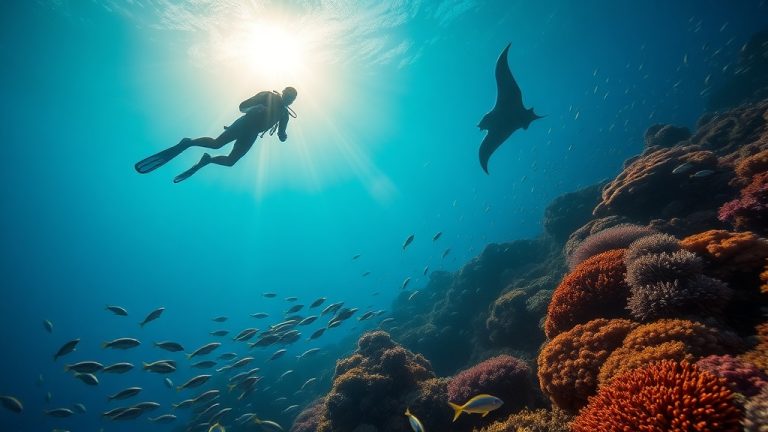
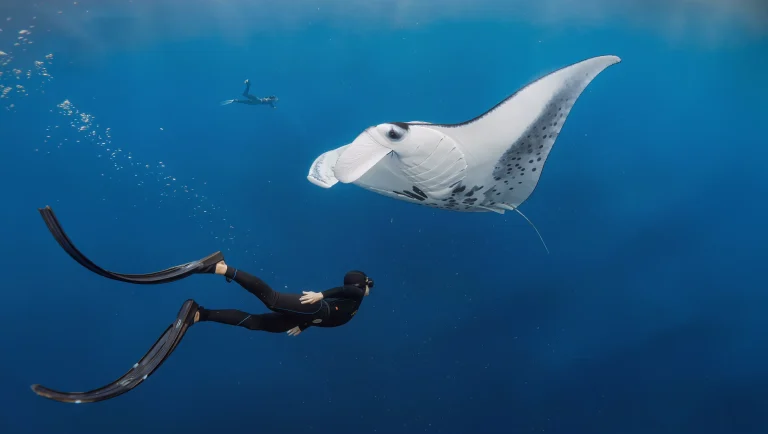
The reef damage caused by indiscriminate anchoring has pushed the park towards designated mooring buoys and expanding no-anchor zones, and 2027 charter compliance means respecting that zoning to the letter. Overnight cruises are increasingly expected to pick up fixed moorings at popular bays rather than dropping anchor over live coral, and sensitive areas around Manta Point and the fringing reefs are managed to keep vessels off the substrate. Captains are also asked to observe speed and approach rules where manta rays aggregate — mantas are seen year-round at Manta Point, with December–March and the April–May transition commonly cited as peak months, so responsible boat handling there matters most in high season.
None of this requires you to memorise a chart. It does mean your vessel and crew need current local knowledge of which bays permit overnight mooring, where anchoring is prohibited, and how the zoning interacts with the dry-season swell. April to October offers the calmest seas and most reliable trekking; November to March brings monsoon squalls and occasionally rougher water, which changes where a prudent skipper chooses to lie for the night.
Single-use plastic bans and the low-impact cruise
Indonesia’s wider push against marine plastic has reached the park, and by 2027 single-use plastic restrictions are expected to apply to charter boats entering Komodo National Park. In practice, well-run vessels have already moved ahead of enforcement: glass or refillable bottles with onboard filtered-water refill stations, bulk toiletries rather than sachets, and no disposable straws or polystyrene. We ask guests to bring a reusable bottle and to leave single-use packaging behind in Labuan Bajo, both because it may be checked and because a park built on pristine reefs and beaches deserves nothing less.
How our fleet desk keeps your charter compliant
Labuan Bajo Boat Charter is the fleet-curation desk operated by Komodo Luxury (PT. Komodo Bahari Nusantara, Denpasar) — an award-winning Labuan Bajo marine-travel operator active since 2015 and winner of the TripAdvisor Travelers’ Choice award 2025 and 2026— under Juara Holding Group Limited (Hong Kong). That standing matters here because compliance is relationship work: it depends on knowing the park office, the current tariff and the daily quota position before you sail. When you book a compliant Labuan Bajo boat charter for 2027, we handle the permits, reconcile the conservation fees, secure your landing slots and match you to a vessel already meeting the mooring and plastic-free standards.
You will find the full range of sailings on our Komodo boat tour packages from Labuan Bajo, each priced with fees shown transparently and confirmed at booking rather than estimated. If your priority is the classic experience — dawn at Padar followed by dragon trekking on Komodo Island — we will sequence the itinerary so the quota, the cool-hour landing and the tides all line up. The rules are stricter in 2027, but with the right desk behind you they simply become part of a smoother, cleaner, better-planned voyage.
Frequently asked questions
Will Komodo National Park introduce higher conservation fees for liveaboards by 2027?
Fees have trended upward and are levied per person per day, so a multi-night liveaboard naturally carries more in charges than a day trip. The exact 2027 tariff is disputed and varies by scheme and day, so we never publish a single figure. We confirm the current conservation fee with the park office at booking.
How will stricter visitor limits at Padar and Komodo Island impact 3D2N phinisi itineraries?
The roughly 1,000-visitor daily cap can time-slot access at Padar and the dragon sites, especially in the busy July–September window. Since phinisi cruise slowly, we position overnight and secure your landing slots first, then build Manta Point, Pink Beach and coral stops around a quota-friendly early-morning trek.
Are there new anchoring and mooring regulations for Labuan Bajo yacht charters in 2027?
Yes. To protect coral, the park is expanding designated mooring buoys and no-anchor zones, and overnight cruises are increasingly expected to use fixed moorings rather than drop anchor over reef. Our vessels carry current local knowledge of which bays permit mooring and where anchoring is prohibited.
Will single-use plastic bans apply to all charter boats entering Komodo National Park by 2027?
Single-use plastic restrictions are expected to apply to charter boats entering the park by 2027, and responsible operators already run plastic-free. Our vessels use refillable bottles with onboard water refills and bulk toiletries. We ask guests to bring a reusable bottle and leave disposable packaging behind in Labuan Bajo.
How do Labuan Bajo charter operators help guests navigate changing park permits and ticket prices?
A reputable desk tracks the current tariff and daily quota, handles permits with the park office, secures your landing slots and reconciles fees before departure. We present costs transparently as indicative until confirmed at booking, then settle any adjustment in advance so there are no surprises at the ranger post.
Ask our fleet desk on WhatsApp