Kayaking & Paddleboarding on a Komodo Charter: Where Calm Bays Make It Possible in 2027
8 min read
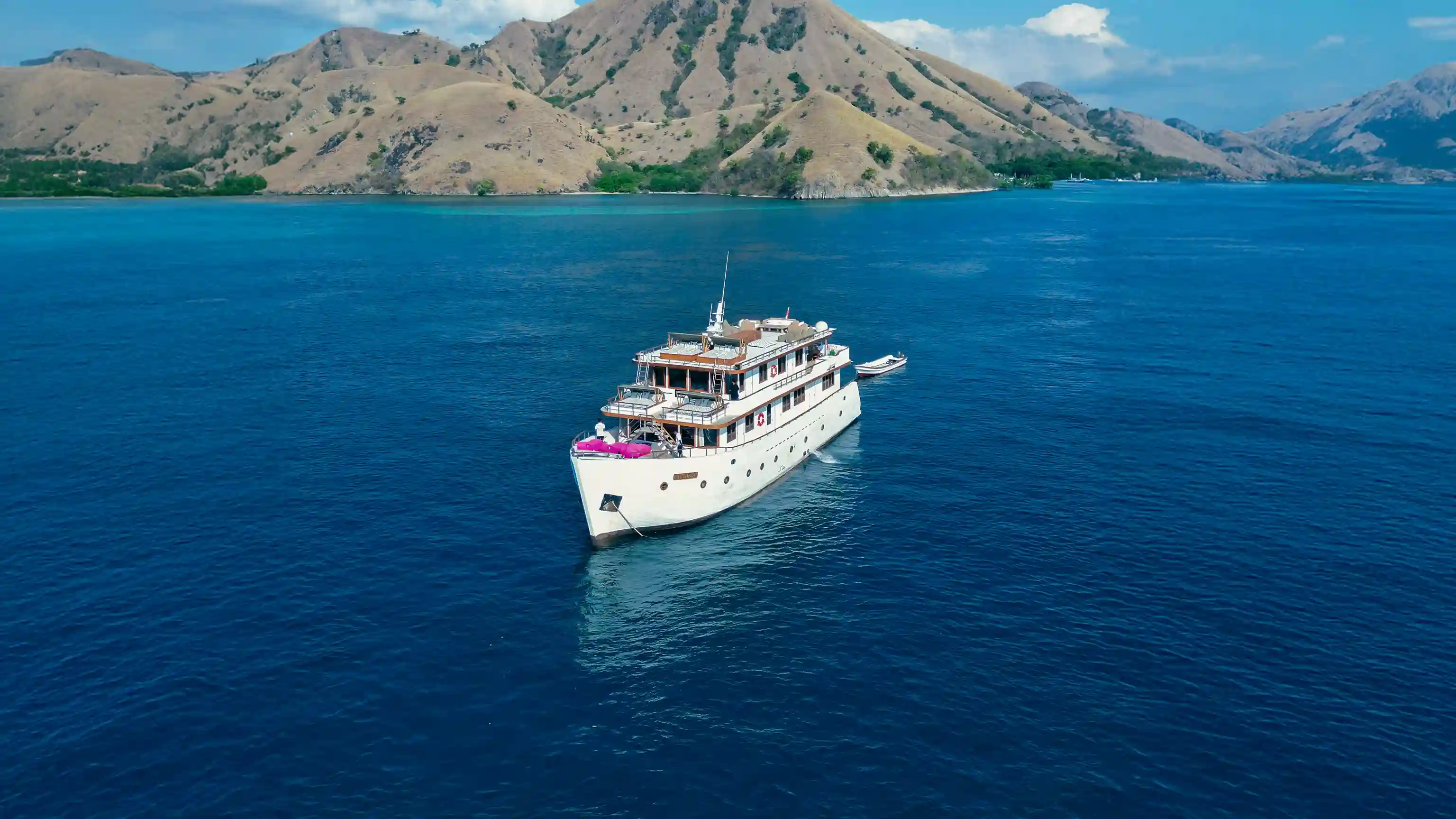
Quick answer: Yes — a private Komodo charter from Labuan Bajo can carry sit-on-top kayaks and SUP boards, and sheltered bays around Kanawa, Kelor and the lee shores of Rinca and Padar make paddling realistic for beginners. We launch on slack tides, because the open channels between islands run genuinely fast.
Komodo National Park looks, on a map, like an inviting playground of turquoise coves — and much of it is. But the same tidal geography that feeds its famous manta rays and coral gardens also pushes serious water through the gaps between islands. As the fleet-curation desk behind adventure Labuan Bajo boat charter with watersports, operated by Komodo Luxury since 2015, we are asked almost weekly whether guests can kayak or stand-up paddle here. The honest answer is yes — in the right bay, at the right hour — and this guide explains exactly where and when for your 2027 trip.
Why calm bays matter: reading Komodo’s currents
Komodo sits within the Sape Strait, a corridor where the Flores Sea and the Indian Ocean exchange water twice a day. Between the roughly 29 islands of the park, tidal streams accelerate through the narrows, forming eddies, upwellings and the occasional whirl that dive guides know by name. For a paddler, that current is the whole story: on open water between Komodo and Padar it can outrun a fit kayaker, but tuck into a leeward bay behind a headland and the surface turns glassy. Our skippers plan every paddle around the tide table, launching near slack water — the short window either side of high or low tide when flow eases — and keeping boards close to shore.
The calmest bays for beginner kayakers
The most forgiving water tends to be the small islets closest to Labuan Bajo, reached long before you enter the fast central channels. The sheltered reefs at Kanawa and Kelor sit in relatively protected water, with shallow sandy entries and short distances back to the mother vessel — ideal for a first paddle. Deeper inside the park, the leeward coves of Rinca and the anchorage bays below Padar Island offer calm mornings before the wind builds. Pink Beach (Pantai Merah) can be paddled in settled conditions, though we watch the afternoon breeze there closely. None of these demand experience; they demand timing, and that is our job, not yours.
Sea kayaking around the islands: beaches and mangroves
Sea kayaking around Komodo’s islands from a Labuan Bajo boat is one of the quietest ways to meet the landscape. A kayak draws only a few centimetres, so it slips over shallow coral shelves and into mangrove fringes that a phinisi cannot approach. We carry stable sit-on-top kayaks precisely because they suit exploring: nosing along a beach at first light, drifting past mangrove roots alive with juvenile fish, or landing on an empty sandbar for photographs. Because a charter is your own vessel, the kayaks come down whenever the water invites it, not on a fixed group schedule set by someone else’s itinerary.
Paddleboarding on a Komodo charter: possible, and where it is calmest
Stand-up paddleboarding is possible on a Komodo charter — with one caveat we always state plainly: a SUP board catches wind and current far more than a kayak, so it belongs in calm, enclosed water rather than open channels. Our boards go out at first light, when the sea is typically flattest and the wind has not yet risen, and again in the golden hour before sunset from a sheltered anchorage. A paddler standing on a mirror-calm bay at dawn, with Padar’s ridges behind them, is one of the trip’s quiet highlights, and we keep a tender or the main boat nearby throughout the session.
For SUP specifically, the calmest areas are enclosed anchorage bays rather than the scenic-but-exposed spots. Early morning inside a cove on the lee side of an island, the protected water behind Kelor, and the sheltered inlets used as overnight anchorages give a board the flat surface it needs. The Taka Makassar sandbank can be exquisite at slack tide, though it sits close to moving water and calls for a skipper’s judgement. We keep paddling well away from Manta Point and the main channels — those are for snorkelling straight off the boat, where the current is a feature to enjoy rather than a hazard to fight.
How our private charters carry the gear
Watersports only work if the equipment is genuinely aboard and the crew knows how to deploy it. When you book a private boat charter from Labuan Bajo with a watersports brief, we confirm in advance which vessels in the curated fleet stow sit-on-top kayaks, inflatable or hard SUP boards, buoyancy aids and a boarding ladder, then match you to one that does. Not every phinisi carries a full kit, which is why we ask about your plans before we quote. Crews brief each launch, hand out life jackets, and shadow beginners from a tender — the difference between a novelty photo and a genuinely safe hour on the water.
Combining paddling with snorkelling and light fishing
The best days layer gentle activities around the tide. A calm-bay morning might open with a sunrise SUP, roll into a snorkel over a coral stop at Kanawa or Kelor as the light strengthens, and finish with a half-day of light hand-line fishing in deeper water while the boat repositions. Because you are on a private charter, the plan flexes to the sea rather than to a group timetable: if the wind holds off, we paddle longer; if it rises, we swap to snorkelling or move on to a dragon landing. That adaptability is the whole argument for chartering over joining a fixed open-trip.
Timing your 2027 trip for calm water
Season shapes everything here. The dry months of April to October bring the calmest seas, the best visibility and the most reliable paddling windows, with July to September the busiest stretch across the park. From November to March, the monsoon carries squalls and occasionally rougher water, so paddling days become more opportunistic and weather-led. Layer the daily tide onto the season and you have the formula we work to: a dry-season morning, at slack tide, inside a sheltered bay. Note too that from April 2026 the park enforces a daily visitor cap across tourist zones including South Padar, so booking early for 2027 peak dates matters more than ever.
Frequently asked questions
Can I go sea kayaking around Komodo’s islands on a Labuan Bajo liveaboard?
Yes. Many liveaboard and private charters from Labuan Bajo carry sit-on-top kayaks, and sea kayaking works beautifully in the sheltered bays and around the smaller islets. The key is launching in calm, protected water at the right state of the tide rather than crossing open channels, which our skippers plan around every day.
Are there calm bays in Komodo National Park suitable for beginner kayakers?
There are. The protected coves near Kanawa and Kelor, the leeward bays of Rinca, and the anchorages below Padar are typically calm in the morning and forgiving for first-timers. Distances back to the boat are short, entries are sandy, and a crew member shadows beginners throughout the paddle.
Do Komodo charters provide kayaks for exploring beaches and mangroves?
Some do, though not every vessel carries a full kit, so confirm before booking. We match watersports guests to fleet vessels that stow kayaks, boards and buoyancy aids. Kayaks are ideal for exploring — their shallow draft slips over coral shelves and into mangrove fringes that a larger phinisi simply cannot reach.
Is paddleboarding possible on a Komodo charter, or are currents too strong?
Paddleboarding is possible, but only in calm, enclosed water. A SUP board catches wind and current far more than a kayak, so it belongs in sheltered bays at first light or golden hour, never in the open channels between islands. Timed to slack tide with the boat close by, it is both safe and memorable.
What are the calmest areas for stand-up paddleboarding in Komodo National Park?
The calmest areas are enclosed anchorage bays on the lee side of islands, the protected water behind Kelor, and sheltered overnight inlets, generally at dawn before the wind rises. The Taka Makassar sandbank can be beautiful at slack tide but sits near moving water, so we paddle it only on a skipper’s call.
Ask our fleet desk on WhatsApp