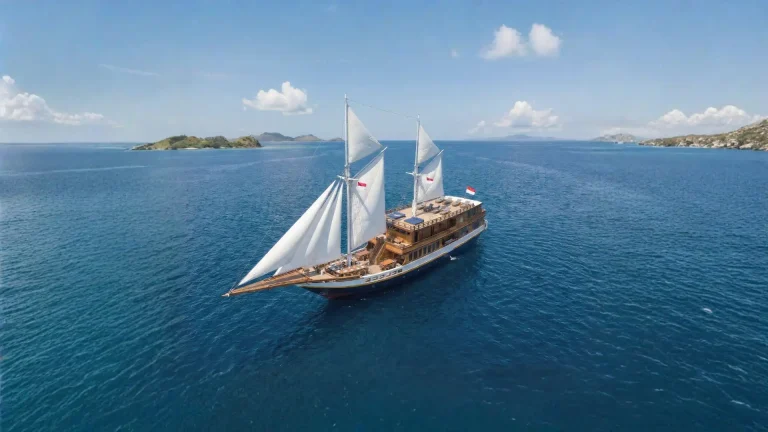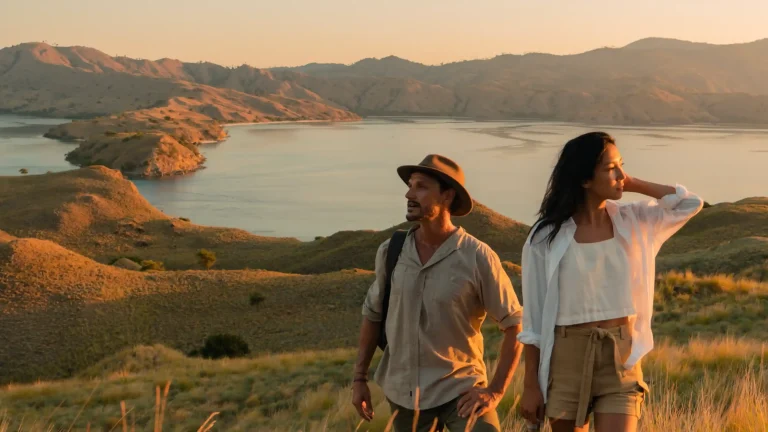
The Best 3D2N Komodo Itinerary from Labuan Bajo, Stop by Stop
Best 3D2N Komodo itinerary from Labuan Bajo: why Kalong is night one, Padar at sunrise, mantas at slack tide, and Taka Makassar's tide logic explained.
22 min read
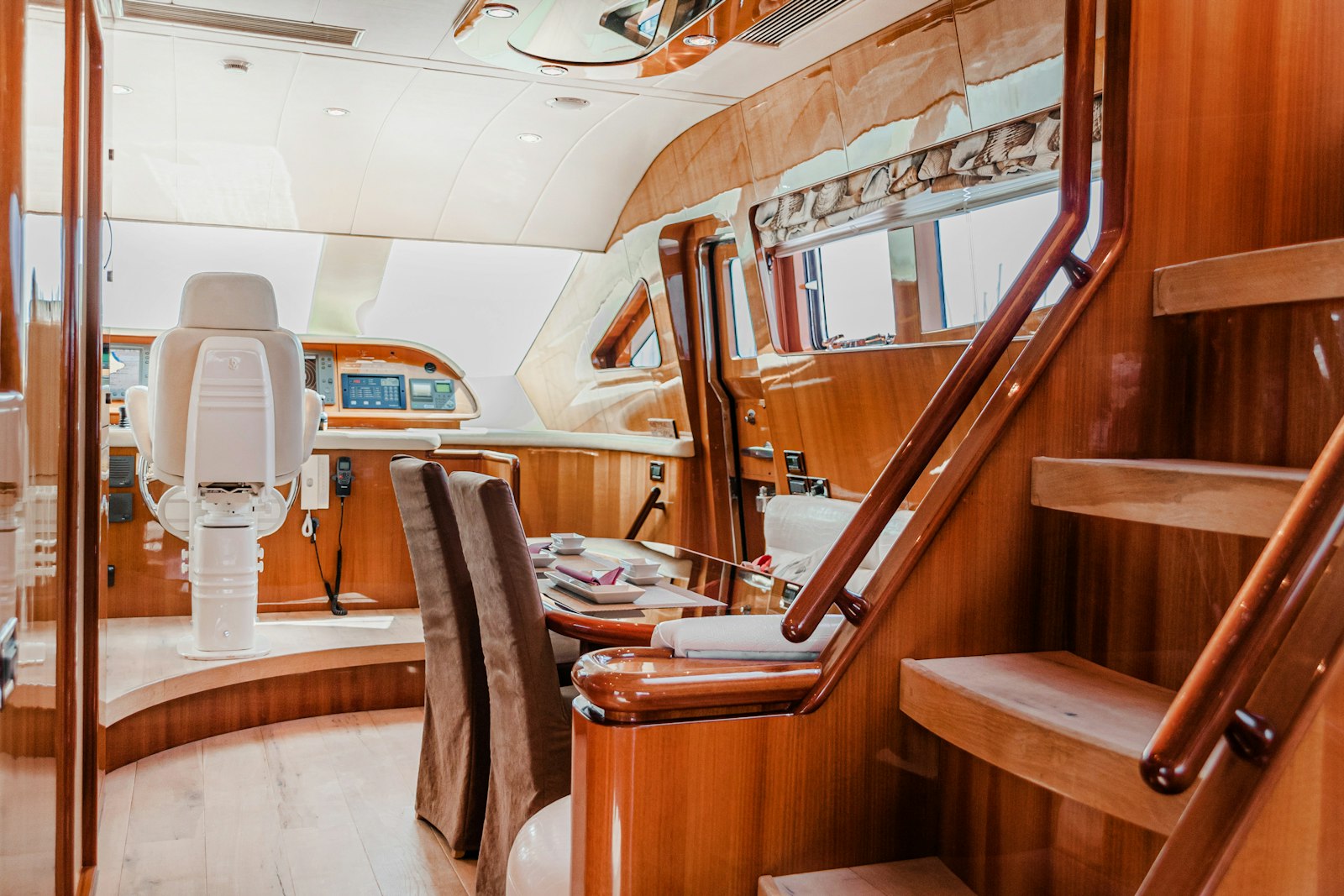
The best 3D2N Komodo itinerary from Labuan Bajo is a clockwise loop that places every activity at its optimal time of day: Padar at sunrise, dragons mid-morning, mantas at slack tide, the bat colony at dusk, and the Gili Lawa ridge at the exact hour the park turns gold. Three days and two nights — sailing from Labuan Bajo deep into Komodo National Park and back — is the shortest duration that makes all of that possible without compromise. This piece explains the reasoning behind each stop and each sequencing choice, compares what a private charter can actually do differently from a shared open-trip boat, and shows the worked math on what two nights at sea currently costs.
Why Sequence Matters More Than the Stop List
Anyone who has read a Komodo itinerary knows the names: Padar, Pink Beach, Komodo dragons, Karang Makassar mantas, Taka Makassar sandbar. Every 3D2N itinerary visits most of them. What separates a well-designed komodo 3d2n itinerary from a disappointing one is not the list — it is the order, the tide timing, and who has the authority to slow down or reroute.
Open-trip boats carry 10 to 20 strangers with different wake-up tolerances, snorkelling abilities, and seasickness thresholds. The schedule is fixed before departure and rarely changes. Private charters operate differently: the captain adjusts the departure time from each anchorage that morning, the guide reads the manta station before signalling entry, and the group can ask for an extra 30 minutes at Pink Beach without negotiating with nine other people. That flexibility is not a luxury add-on — it is the mechanism that makes the sequencing logic below actually work.
The Full 3D2N Stop-by-Stop Itinerary
Day 1 — Kelor Island, Rinca Dragons, Kalong Bats
Departure from Labuan Bajo harbor at 08:00 to 09:00. The first leg to Kelor Island takes 45 to 90 minutes at phinisi speeds of 7 to 10 knots — long enough for coffee and a proper briefing from the guide, short enough that the day does not feel like it starts at sea.
Kelor Island comes first for good reasons. The 20-minute hill trek opens the view south toward Padar and east toward Rinca before you have been anywhere yet; it calibrates the scale of what you are sailing into. The snorkel off Kelor’s eastern beach — coral tables at 5 to 8 metres, small reef sharks, the occasional turtle — serves as a gear check more than a headline dive. You learn where your snorkel mask leaks here, not at the manta station on Day 3.
From Kelor, the sail to Rinca Island, Loh Buaya takes 1.5 to 2.5 hours. This is where the sequencing decision matters: Rinca on Day 1, Komodo Island on Day 2. Why that order? Rinca is closer to Labuan Bajo and the ranger walk is shorter and more concentrated — a good introduction to Komodo dragons for guests who have never been close to one. Save the longer, quieter trails of Komodo Island’s Loh Liang for when you are already comfortable with the park’s pace.
The ranger walk at Loh Buaya runs 45 to 60 minutes. Dragons are cold-blooded and most active in the morning when they are warming up rather than in afternoon torpor — you will see more movement at 10:00 than at 14:00. One practical note: the SiORA booking system (Sistem Informasi Online Reservasi Wisata Alam) has made walk-in tickets obsolete. Park entry requires advance booking through that system, with a reported 1,000-visitor daily cap (single-source figure, verify at booking). Advance booking through the operator removes this complication entirely.
The afternoon repositions to Kalong Island, arriving 45 to 60 minutes before dusk. This is the reason Night 1 is at Kalong rather than anywhere else on the 3D2N route. Every evening, hundreds of thousands of Sulawesi flying foxes — some estimates reach into the millions — leave the mangrove roost in a continuous stream that lasts 20 to 40 minutes. The timing shifts week by week with the light; the crew tracks it. Dinner at anchor after dark. The bay is sheltered enough that first nights at sea are rarely rough here, which matters for guests still finding their sea legs.
There is an alternative opening sequence that swaps Rinca for a second snorkel stop (Manjarite or Sebayur) and saves both dragon islands for Days 2 and 3. Some guides prefer this on the 3D2N because it reduces Day 1 to a gentle acclimatisation day. The choice depends on your group: if everyone is comfortable at sea and keen to get to the dragons early, go Kelor–Rinca–Kalong. If there are anxious first-timers or young children, Kelor–Manjarite–Kalong is a gentler opener.
Day 2 — Padar Sunrise, Pink Beach, Komodo Island, Gili Lawa Darat
Night 1 ends with an alarm. The pre-dawn sail from Kalong to Padar’s north bay takes roughly 1.5 to 2 hours; departure is typically between 03:00 and 04:30 depending on the season’s sunrise time. This is the part of the komodo 3d2n itinerary that most guests feel ambivalent about before it happens and grateful for afterward.
Padar Island requires an early start for one specific reason: the east-facing viewpoint lights up at the moment the sun clears the ridge, and that window lasts about 20 minutes before the light goes flat and harsh. The trek is 45 to 60 minutes up a rocky, mostly unshaded trail — bring water, wear shoes with grip, and start before dawn regardless of how you feel about alarms. The summit delivers the view that appears on every Komodo travel photograph: three bays in three different colours — black sand to the south, white sand in the central bay, and the pink-tinged coral-sand beach curving to the east. What no photograph communicates is the silence. At 06:00 on Padar, before the open-trip boats arrive, you may have the ridge to yourself for half an hour.
Open-trip boats often arrive at Padar simultaneously, creating a queue on the trail. On a private charter, the captain targets a Padar arrival that beats the flotilla — which means the pre-dawn departure is not optional; it is the point.
Back aboard for breakfast at sea, then 30 minutes east to Pink Beach (Pantai Merah). The pink coloration — caused by fragments of red coral mixed into the white sand — is most vivid in direct morning light and fades toward midday. You arrive at it in the morning. That is the other reason Day 2 sequences Padar first and Pink Beach immediately after: both sites look best in early light, and the routing makes that possible in a single morning.
Snorkelling off Pink Beach is among the most accessible in the park. Shallow, sheltered, the reef in reasonable condition most of the year — turtles are common, and the fish density is high enough to justify a mask and fins even if you are not an experienced snorkeller. This is also the point in the itinerary where the komodo 3d2n island hopping schedule slows down deliberately. After a 04:30 alarm and a sunrise trek, 90 minutes floating at Pink Beach is not indulgent — it is good pacing.
Early afternoon: Komodo Island, Loh Liang. The 45-minute ranger walk here covers drier terrain than Rinca, with dragons more widely spaced and the forest quieter. The park entrance fee for foreign visitors is approximately IDR 250,000 per person per day; ranger fee approximately IDR 200,000 per group of up to five guests; IDR 150,000 for the Padar group trek earlier (all travel-site consensus figures, last verified June 2026 — confirm at booking as official rates are subject to change).
With the dragon trek done by mid-afternoon, the boat sails north for 1.5 to 2 hours to Gili Lawa Darat. The anchorage in the sheltered bay there is the specific reason the 3D2N route carries two nights rather than one: you cannot reach Gili Lawa from Labuan Bajo and back in a single day while also doing Padar, Pink Beach, and Komodo Island. The third day — which is really about Day 2’s evening — buys you the sunset ridge above the bay.
The ridge hike at Gili Lawa Darat takes 20 minutes up an unmarked but clear path. At the top: the park’s central channel below, the outline of Rinca to the west, Komodo Island to the east, and the whole circuit you have sailed rendered in geography. In July and August the south-east trade winds make this anchorage breezy and the nights clear — one of the more genuinely comfortable sleeping situations on the route.
Day 3 — Karang Makassar Mantas, the Taka Makassar Sandbar, Kanawa or Tatawa, Home
The final morning runs on tide rather than the clock. Karang Makassar — Manta Point on most charts — is a shallow cleaning station where manta rays come to have parasites removed by wrasse. The animals follow food and current, not the calendar; the guide positions the group by reading what the station is doing, not by checking a schedule. The protocol is to drift, not to chase.
Mantas are present at Karang Makassar year-round. December through March brings the highest plankton density and the best-reported odds of multiple animals in a single session, but there is no guarantee at any point in the year. What a private charter can do differently here is time the visit precisely to slack tide — the 20-minute window when the current reverses and mantas tend to work the station most actively. An open-trip boat on a fixed schedule arrives when it arrives; a private charter can hold 30 minutes at the previous anchorage to hit that window.
One clarification worth making explicit: Karang Makassar is not Manta Alley. Manta Alley is in the south of Komodo Island, runs best in the wet season (roughly November through April), and is only honest to include on itineraries of four nights or longer. If south-Komodo mantas are your primary goal, design your charter at 4D3N or longer — we can build the south loop around your season.
After the manta drift, a short sail to Taka Makassar. This is the stop that gets the most questions, so let us be direct about what it is: a white sandbar that rises and falls with the tide. At high water it disappears entirely. At the right low-tide moment it sits perhaps 40 centimetres above the surface — a narrow strip of white sand in the middle of a turquoise channel with no land visible in any direction. The crew knows in advance whether the bar will be above water on your morning, based on the tide table. When it is, you swim or wade ashore and the result is exactly as absurd and photogenic as it sounds. When it is not, the surrounding shallows are shallow and clear enough for an excellent final snorkel. Taka Makassar is worth including on the itinerary in either condition.
- Best time to visit Taka Makassar
- Low tide, mid-morning. The bar is most exposed 1.5 to 2 hours either side of low water; the light is better before midday. Check tide tables for your specific travel dates — this is a tide-dependent stop, not a guaranteed one.
- Kanawa Island snorkelling
- A 20-minute sail from Taka Makassar back toward Labuan Bajo. The house reef at Kanawa offers reliably good coral coverage and calm, shallow water — an ideal final swim before the longer run home. Kanawa is worth the detour on the return leg if the group still has energy; it is not a headline site but it is consistently pleasant.
- Is Kanawa Island worth visiting?
- Yes, with honest context: Kanawa’s reef is better than most Labuan Bajo day-trip sites but not as striking as Karang Makassar or the Pink Beach reef. Its value on the 3D2N is as a low-intensity closer — shallow, calm, 45 minutes from the harbour. Good for children, good for snorkellers who are tiring, good for the boat to anchor close enough to LBJ that departure timing is flexible.
The final run home from Kanawa or Tatawa Besar takes 2.5 to 3.5 hours depending on vessel. Alongside in Labuan Bajo harbor between 16:00 and 17:00.
Private Charter vs Open Trip: What the Difference Actually Costs
The komodo 3d2n private boat route described above is also operated as a shared open-trip product — the same stops, a fixed schedule, and a boat carrying 10 to 20 guests who do not know each other. Open trips cost roughly USD 200 to 600 per person for three days depending on the operator’s level and what is included. For a couple, that is USD 400 to 1,200 total. For a group of eight, USD 1,600 to 4,800.
A private charter for the same route costs the whole-boat rate across two nights. The numbers below are implied from market package pricing (the market quotes per trip rather than clean nightly rates); all figures last verified June 2026:
| Format | Approx. Cost | Group Size | Schedule Flexibility | Cabins |
|---|---|---|---|---|
| Shared open trip | ~$200–600/person | 10–20 strangers | Fixed | Shared or dormitory |
| Private — budget wooden boat | ~$2,400–5,000 whole boat (2 nights × ~$1,200–2,500/night implied) | 2–10 guests | Moderate | 2–4, basic |
| Private — mid-range phinisi | ~$5,000–16,000 whole boat (2 nights × ~$2,500–8,000/night implied) | 2–14 guests | High | 3–6, mostly ensuite |
| Private — luxury phinisi / motor yacht | ~$16,000–60,000 whole boat (2 nights × ~$8,000–30,000/night implied) | 2–18 guests | Full | 5–9, all ensuite + full crew |
A worked example: a well-built mid-range phinisi with four ensuite cabins at $4,000 per night implied = 2 nights × $4,000 = $8,000 for the whole boat, before park fees. That is $4,000 per person for a couple, or $1,000 per person for a group of eight — a price that competes directly with the upper end of the open-trip market while giving your group the entire boat.
Park fees for foreign visitors are approximately IDR 250,000 per person per day (three days = three day-fees per person, so roughly IDR 750,000 ≈ USD 45–48 per person at current rates, last verified June 2026). Ranger fees, diving surcharges, and harbour fees are typically additional; confirm the all-in scope with your operator at quoting stage. The market brackets above are for the charter itself and exclude park fees, VAT (some operators add 11–12%), and optional add-ons.
The private advantage on this specific komodo liveaboard 3 nights format is not primarily about comfort — though comfort improves significantly by vessel class. It is primarily about timing. The Padar pre-dawn departure happens when your group is ready to leave, not when the boat with 18 other passengers reaches consensus. The manta visit happens at slack tide, not at whatever point the fixed schedule arrives. The Taka Makassar stop is calibrated to the tide table. These are not small differences; they determine whether you see the sandbar or you miss it.
The Sequencing Logic, Explained Stop by Stop
Why Kalong for Night 1?
Kalong is close enough to Rinca that Day 1 ends efficiently, far enough from Padar that the boat covers useful distance during the night. The Kalong anchorage is sheltered and calm — a forgiving first night for guests adjusting to sleeping at sea. And the bat colony departs at dusk regardless of when you arrive, which means you cannot time it wrong as long as you are in the bay before dark. There is no comparable evening spectacle at any other anchorage on the 3D2N route, and it requires no energy from the guests: you sit on deck, a cold drink in hand, and half a million animals pour overhead.
Why Padar Must Be Sunrise
The Padar viewpoint faces east. The three bays are lit from behind the ridge at sunrise, creating the gradient of colours across the sand. By 08:30 the light is overhead and flat; the bays still look good but the photograph that exists in every Komodo travel reference — that specific luminous moment — is gone. There is also a crowd dimension: the open-trip flotilla typically arrives at Padar between 06:00 and 08:00. A private charter that departs Kalong at 03:30 or 04:00 reaches the trailhead before the majority of that traffic. At 05:30 on the ridge, you are looking at an empty park. At 07:00 you might be passing 40 hikers on the way down.
Why Mantas Are Scheduled at Slack Tide
Karang Makassar sits in a channel with meaningful tidal flow. Mantas are present here year-round, but they work the cleaning station most reliably at slack water — the brief period when the current reverses and the flow drops to near-zero. Experienced guides in the area time their manta sessions by the tide table, not the clock. On a fixed open-trip schedule, you arrive when the boat arrives. On a private charter, the Day 3 morning can be structured around the tide: depart Gili Lawa Darat with enough margin to reach Karang Makassar at the right moment, hold at Taka Makassar if needed, adjust in real time.
This does not guarantee mantas — nothing does. But it materially increases the probability of encountering them actively working the station rather than cruising past it.
Why Taka Makassar Is Tide-Dependent, Not Promised
The Taka Makassar sandbar exists only at low tide. Some operators include it on their itinerary lists without flagging this; guests arrive at high water to find open sea. A honest 3 day 2 night komodo islands tour from labuan bajo should state clearly: this stop is scheduled around the tide, and if your dates do not align with a suitable low tide on Day 3 morning, the bar will not be above water. The snorkelling in the surrounding shallows is still worth the stop; the sandbar appearance is a bonus, not a guarantee. Ask your operator at booking to check the tide table for your specific dates.
Why Gili Lawa Darat for Night 2
Two reasons. First, the sunset ridge hike: a 20-minute walk that delivers a panoramic view of the entire park at the best light of the day — this cannot be crammed into a day trip from Labuan Bajo at any price. Second, the anchorage position: Gili Lawa Darat places the boat within an easy morning sail of Karang Makassar, meaning Day 3 starts at the manta station rather than grinding across the park to reach it. The routing is efficient without feeling rushed because the night position was chosen with the next morning’s first stop already in mind.
Sample Komodo 3D2N Itinerary: Padar, Pink Beach, Mantas — The Full Schedule
This is the schedule a well-run private charter follows. Times are approximate and adjust daily to tide, weather, and group pace. The guide confirms actual departures each evening over dinner.
- Day 1
- 08:00–09:00 Depart Labuan Bajo harbor. 09:30–10:30 Kelor Island hill trek + snorkel. 11:00–12:00 Sail to Sebayur or Manjarite (optional second snorkel stop). 13:00–15:00 Sail to Rinca; ranger-guided dragon walk at Loh Buaya. 15:30–17:00 Sail to Kalong Island. Dusk: bat colony departure. Dinner at anchor.
- Day 2
- 03:30–04:30 Pre-dawn departure for Padar (timing depends on season’s sunrise). 05:30–06:30 Padar sunrise trek. 07:30 Breakfast aboard, sail 30 min east. 08:00–10:00 Pink Beach swim and snorkel. 10:30 Sail to Komodo Island (1.5–2 h). 12:30–14:30 Ranger-guided dragon walk at Loh Liang. 15:00 Sail north to Gili Lawa Darat (1.5–2 h). 17:00 Sunset ridge hike. Dinner at anchor in the bay.
- Day 3
- 06:30–07:30 Depart Gili Lawa Darat (tide-timed). 08:00–09:30 Karang Makassar manta drift at slack tide. 10:00–11:00 Taka Makassar sandbar stop (tide-dependent). 11:30–12:30 Tatawa Besar or Kanawa Island final snorkel. 13:00 Sail home (2.5–3.5 h). 16:00–17:00 Alongside Labuan Bajo harbor.
Mid-content planning note: if you want this schedule built around your specific group — vessel class, travel dates, additions like night snorkelling or a beach dinner at Pink Beach — use our charter brief form or message the Indonesia Juara concierge team on WhatsApp to send the details directly. They handle the SiORA advance booking, ranger coordination, and operator matching. Indonesia Juara is a sister brand within Juara Holding Group; we disclose that relationship because you should know who you are dealing with when we refer you.
Season Notes for the 3D2N Route
The central and northern park carries the year-round route. This is not a seasonal itinerary — it runs in every month. But the conditions differ.
December to March brings the wet season: afternoon squalls, higher humidity, and the best manta odds at Karang Makassar. January and February are the roughest months; harbor authorities in Labuan Bajo suspend sailing permits during verified extreme-weather warnings. Plan flexibly if booking this window — a day’s delay is possible. Manta aggregations in December and March (the shoulder of the wet season) are often outstanding.
April to June is a transition period that many experienced guests consider the best window: calmer than the wet season, less crowded than July–August, good visibility, and reliable manta activity. Water temperatures are warm and the humidity has dropped.
July and August are peak dry season — maximum bookings, the highest prices, and the south-east trade winds. The central route handles this well: Gili Lawa nights are breezy and cool, Padar mornings are clear, and the manta station is accessible. Expect more boats at the popular stops, particularly Loh Liang and Taka Makassar. Book well in advance for these months.
September to November is the second shoulder season: trade winds ease, seas settle, crowds drop from their August peak. A consistently underrated window for the 3D2N loop.
No weather window guarantees animal sightings. Captains make daily routing decisions based on current conditions; the flexibility of a private charter means the boat can move when a fixed schedule cannot.
What the 3D2N Cannot Do
Honest itinerary design includes naming what does not fit. Three days and two nights from Labuan Bajo into Komodo National Park does not include:
- South Komodo — Horseshoe Bay, Cannibal Rock, and Manta Alley. These sites are 2 to 3 additional sailing hours south of Padar, require a full day in the south, and are most accessible October through April. They enter the route at 4D3N; the 3D2N does not have time for them without dropping something else.
- Gili Banta or Sangeang volcano — frontier sites north of the park that require 5 to 6 nights minimum to include honestly.
- Multiple dive rotations — certified divers will get snorkelling with full-kit gear at most sites, but a proper three-to-four-dive-per-day schedule needs at least 4D3N to build a real dive rotation without rushing the non-dive activities.
- A slow pace — three days is enough time to see everything once. It is not enough time to linger. If your idea of the trip is anchoring somewhere beautiful for two nights and going nowhere, the 5D4N or 6D5N format is where that pace becomes available.
These are honest constraints, not criticisms of the duration. The 3D2N works because it sequences perfectly — nothing is repeated, nothing significant is missed, and the pace is active rather than rushed. For guests who want more than that, longer formats are available; the honeymoon charter guide covers what the extended formats offer a couple in particular.
Frequently Asked Questions
What is the best 3D2N Komodo itinerary sequence from Labuan Bajo?
Day 1: Kelor Island trek and snorkel, Rinca dragon walk at Loh Buaya, Kalong bat colony at dusk — anchor at Kalong. Day 2: pre-dawn sail to Padar for sunrise, Pink Beach snorkel, Komodo Island dragon walk at Loh Liang, Gili Lawa Darat sunset ridge — anchor in the bay. Day 3: Karang Makassar manta drift at slack tide, Taka Makassar sandbar (tide-dependent), Kanawa or Tatawa Besar final snorkel, return to Labuan Bajo by 16:00–17:00. This sequence assigns each stop to its optimal time of day and tides rather than a fixed clock.
Is Taka Makassar always visible on a 3D2N Komodo tour?
No — the Taka Makassar sandbar is tide-dependent. It appears above water during low tide and disappears at high tide. A private charter can schedule the Day 3 morning around the tide table for your specific dates, maximizing the chances of finding the bar exposed. Ask your operator to check the tide forecast at booking. If the bar is submerged on your day, the surrounding shallows still make for good snorkelling.
Are mantas guaranteed at Karang Makassar on a 3-day Komodo trip?
No, and anyone who tells you otherwise is not being honest. Manta rays are wild animals at a cleaning station; they follow food and current. Karang Makassar has a strong year-round track record, with December through March reporting the best aggregation odds due to high plankton density. A private charter times the visit to slack tide — the window when mantas are most reliably working the station — which materially improves the chances, but does not guarantee an encounter.
Is Kanawa Island worth visiting on the way back from Komodo?
Yes, as a low-intensity closing stop. Kanawa’s house reef is not the most dramatic snorkel in the park — Karang Makassar and the Pink Beach reef are both superior as headline sites — but it is consistently good, shallow, and calm. On a Day 3 afternoon, when the group has already done the manta drift and the sandbar stop, Kanawa offers 45 minutes of easy snorkelling 20 to 30 minutes from Labuan Bajo harbor. It is particularly good for children or anyone who has tired of currents and open-water swimming. Tatawa Besar is the coral-density alternative if conditions allow going slightly further.
How much does a 3-day 2-night Komodo private charter cost from Labuan Bajo?
The whole-boat rate for a private 3-day 2-night Komodo tour from Labuan Bajo implies roughly $1,200 to $30,000 per night depending on vessel class, making the two-night total approximately $2,400 to $60,000 before park fees. A mid-range phinisi with three to six ensuite cabins typically falls in the $2,500 to $8,000-per-night bracket — meaning 2 nights × $4,000 = $8,000 as a realistic planning anchor for a comfortable, well-crewed private charter for groups of four to eight. Park entrance for foreign visitors is approximately IDR 250,000 per person per day (last verified June 2026, verify at booking). Prices are per boat, not per person, and peak-season surcharges apply in July–August and over Christmas and New Year. If you proceed with an operator through our planning service, they may pay our concierge team a referral fee at no extra cost to you.
Related reading
- How Many Days Do You Need in Komodo? An Honest Ladder from 1 to 13 Nights
- Phinisi Charter Labuan Bajo — Traditional Wooden Schooners for Komodo, Tailored by the Night
- Luxury Yacht Charter Komodo — Top-Tier Phinisi & Yachts from Labuan Bajo, Priced Honestly
- Labuan Bajo Boat Charter — Tailored Private Charters into Komodo National Park